
The right immigration counsel for a healthcare employer is one that handles the paths healthcare actually uses, because they differ sharply from ordinary corporate sponsorship. Registered nurses and physical therapists are Schedule A occupations: the employer skips PERM recruitment and files the green card petition directly with USCIS, usually in the EB-3 category — but the wait is then set by the Visa Bulletin. Physicians usually work in H-1B status, and many university-affiliated and nonprofit research hospitals are exempt from the H-1B cap. Physicians who trained in J-1 status must usually resolve a two-year home residency requirement, often through a waiver tied to service in an underserved area. Allied health staff typically use H-1B or EB-3. Across all of them, state licensure and, for most non-physician roles, a federal health care worker certificate gate the timeline. Look for counsel who can explain each of these paths and coordinate them with credentialing.
Key takeaways
Schedule A covers professional nurses and physical therapists: no PERM recruitment, and the I-140 goes to USCIS with an uncertified labor certification form. Most nurse petitions are EB-3, so the Visa Bulletin controls the wait. Many university and nonprofit hospitals can file H-1B petitions outside the cap, year-round. J-1 physicians need a waiver or two years abroad before H-1B or a green card. Licensing and health care worker certificates often take longer than the immigration filings. The $100,000 H-1B payment for certain new petitions has been challenged in court — confirm its status before filing.
The main sponsorship paths at a glance
| Role | Common route | What usually controls the timeline |
|---|---|---|
| Registered nurse | Schedule A green card (EB-3), often through consular processing for nurses abroad | Licensing or credential evidence, then the EB-3 Visa Bulletin cutoff for the nurse’s country of birth |
| Physical therapist | Schedule A green card; H-1B where the role qualifies | Eligibility for the state licensing exam, health care worker certificate |
| Physician (residency or attending) | H-1B (often cap-exempt) or J-1 for graduate medical training | Licensing exams, state licensure, and for J-1 physicians, the home residency requirement |
| Occupational therapist, speech-language pathologist, medical technologist, physician assistant | H-1B where the position requires a specialty degree; EB-2 or EB-3 through PERM | Health care worker certificate, state licensure, and PERM processing |
Registered nurses and physical therapists: Schedule A
The Department of Labor keeps a short list of occupations it has already decided lack enough U.S. workers. That list is Schedule A, and its Group I is set out in 20 CFR 656.5. It covers two healthcare occupations:
- Professional nurses who have a certificate from the Commission on Graduates of Foreign Nursing Schools (CGFNS), or hold a permanent, full and unrestricted license to practice professional nursing in the state of intended employment, or have passed the NCLEX-RN licensure exam.
- Physical therapists who have all the qualifications needed to take the physical therapist licensing exam in the state where they will practice.
Because the shortage is already established, a Schedule A employer does not run the PERM recruitment process or wait for a certified labor certification from the Department of Labor. Instead, the I-140 petition goes straight to USCIS. According to USCIS’s EB-3 guidance, a Schedule A petition includes a completed, uncertified Form ETA-9089 with its appendices, a signed final determination, and a valid prevailing wage determination tracking number.
Skipping recruitment does not mean skipping compliance. The employer still needs a prevailing wage determination from the Department of Labor, must post the notice of filing to its employees (or give it to a bargaining representative), and must pay at least the prevailing wage when the nurse starts work. For staffing employers, the petitioning company must be the real employer — the one that hires, pays, and controls the work — and the wage and area-of-employment details must match where the nurse will actually be placed.
EB-3 for nurses, and the Visa Bulletin wait
Most nurse petitions are filed in the EB-3 category, which covers professionals and skilled workers. Schedule A speeds up the front end, but it does not create extra visas. Once the I-140 is filed, the nurse’s priority date has to be current under the State Department’s monthly Visa Bulletin before the green card can be issued, and EB-3 has retrogressed for nurses in recent years — sometimes for every country, not just the high-demand ones.
For a nurse abroad, the case usually finishes through consular processing at a U.S. consulate. A nurse already in the United States in another status may be able to adjust status when the date allows. Either way, employers recruiting internationally should treat the bulletin as the main timing variable and keep candidates informed; a signed offer can be followed by a long wait.
Physicians and H-1B, including cap-exempt hospitals
Most foreign-trained physicians in hospital and clinic jobs work in H-1B status — our H-1B guide for employers covers transfers, extensions and RFEs. For a physician whose role is primarily patient care, the H-1B generally requires that the physician has passed the U.S. medical licensing examinations required for H-1B physicians and holds the license or other authorization the state requires — in Texas, through the Texas Medical Board.
The biggest structural advantage many healthcare employers have is cap exemption. Institutions of higher education, nonprofits related to or affiliated with them, and nonprofit or government research organizations are not subject to the annual H-1B cap. Many university hospitals and academic medical centers qualify, and they can file new H-1B petitions at any time of year without registration. Our cap-exempt H-1B page explains how affiliation is documented. Private practices and for-profit hospital systems without that affiliation are usually cap-subject and must enter the annual registration, where selection is now weighted by the offered wage level rather than drawn purely by lottery.
The $100,000 H-1B payment
A September 19, 2025 presidential proclamation requires a $100,000 payment for certain new H-1B petitions for workers outside the United States who do not hold a valid H-1B visa. USCIS guidance excluded changes of status, extensions and amendments for workers already in the U.S. The proclamation’s application has been challenged in federal court with conflicting rulings, so employers — including cap-exempt hospitals recruiting physicians from abroad — must confirm its current status before filing.
J-1 physicians and the two-year home residency requirement
Many foreign medical graduates complete residency and fellowship in J-1 status. Physicians who came to the United States in J-1 status for graduate medical education or training are generally subject to a two-year home residency requirement: before they can obtain H-1B or L-1 status or a green card, they must either spend two years in their home country or obtain a waiver.
Waivers for physicians usually come through a request from an interested government agency — a state health department under the state program often called Conrad 30, or certain federal agencies — and typically require the physician to commit to full-time clinical work in H-1B status, commonly for three years, at a facility serving a medically underserved or health professional shortage area. Other waiver grounds, such as exceptional hardship to a U.S. citizen or permanent resident spouse or child, or fear of persecution, exist but turn on individual facts. Each state sets its own application process and calendar, and slots can be limited, so rural and community employers should plan the waiver alongside the job offer, often a year or more before residency ends.
Wondering where your case fits in these timelines?
Request a free consultation and get a straight answer on your category, your realistic timeline, and the flat fee — before you commit to anything.
Licensing and credentialing realities
In healthcare, the immigration filing is often not the slowest step. Two separate gates usually apply:
- State licensure. Nurses are licensed by the state board of nursing, physicians by the state medical board, and allied professions by their own boards. The employer cannot place the worker in a licensed role until the license is issued, whatever the visa says.
- Federal health care worker certificate. Federal immigration law requires a certificate from a USCIS-approved credentialing organization for registered nurses, licensed practical and vocational nurses, physical therapists, occupational therapists, speech-language pathologists and audiologists, medical technologists and technicians, and physician assistants. CGFNS is authorized for all of these occupations, and other organizations are authorized for specific ones. Physicians are not covered by this requirement.
The certificate verifies education, licensure and English proficiency, and it is needed before the worker can be admitted or the green card issued. Build credentialing into the recruitment timeline from the first offer so it is finished by the time the priority date is current.
Allied health staff and staffing employers
Occupational therapists, speech-language pathologists, medical technologists and physician assistants are not on Schedule A. They generally qualify for H-1B when the position normally requires a specific bachelor’s degree or higher, and for a green card through PERM labor certification, followed by an I-140 in EB-2 or EB-3 depending on the job’s requirements. Our guide to PERM from recruitment to the I-140 covers the recruitment steps. Canadian and Mexican professionals in certain healthcare occupations may also qualify for TN status.
Healthcare staffing companies face extra scrutiny because their workers are placed at client sites. The staffing company must show a genuine employer relationship, pay the required wage, and keep its H-1B and green card filings consistent with each actual placement. Changes of worksite can require amended petitions or new wage filings, so placement changes should go past counsel before they happen.
Costs and timeline
Government filing fees for the I-140, H-1B and related forms are set by USCIS and change periodically; check current amounts on the USCIS fee schedule. H-1B petitions also carry statutory employer fees that vary by employer size, and some apply differently to cap-exempt employers. Legal fees depend on the path and the number of workers, and we quote them before work starts.
Timelines vary by path. Schedule A removes PERM recruitment but not the prevailing wage step or the Visa Bulletin wait; cap-exempt H-1B can be filed year-round; J-1 waivers follow state calendars. For USCIS stages, see our current processing times, and add credentialing and licensing time, which is often the longest stretch.
How Atlas Immigration Law helps
We help hospitals, clinics and healthcare staffing employers build sponsorship programs around the paths their roles actually use — Schedule A nurse petitions, cap-exempt and cap-subject H-1B for physicians, and PERM-based green cards for allied health staff — as part of our business immigration practice. Fees are flat and agreed in writing before work starts, with milestone billing tied to each stage. Every case has a dedicated paralegal, HR teams get same-business-day responses and direct attorney access, including to Jordan Weinberg, and the Atlas Vision client portal tracks every worker’s case in one place. We work from our Dallas office at 1920 McKinney Ave, serve employers in all 50 states, and work in English and Spanish. A free consultation is available on request.
Frequently asked questions
Do hospitals need PERM to sponsor a foreign-trained registered nurse?
No. Professional nurses are a Schedule A occupation, so the employer skips PERM recruitment and files the I-140 directly with USCIS along with an uncertified Form ETA-9089 and a prevailing wage determination. The nurse must meet one of the regulation’s qualifications, such as passing the NCLEX-RN.
Why do nurse green cards take so long if Schedule A skips PERM?
Schedule A shortens the front end, but most nurse petitions are EB-3, and the green card cannot be issued until the nurse’s priority date is current in the Visa Bulletin. EB-3 has retrogressed in recent years, so the wait can be substantial.
Is our hospital exempt from the H-1B cap?
It may be. Universities, nonprofits related to or affiliated with them, and nonprofit or government research organizations are cap-exempt. Many academic medical centers qualify, but affiliation has to be documented. Private practices and for-profit systems without that link are usually cap-subject.
Can we hire a physician who finished residency on a J-1?
Usually only after the two-year home residency requirement is satisfied or waived. Physician waivers commonly come through a state health department or federal agency request and require a commitment to work full-time in H-1B status at a facility in an underserved area.
Does the $100,000 H-1B payment apply to physicians?
It applies to certain new H-1B petitions for workers outside the U.S. without a valid H-1B visa, and its application has been challenged in federal court with conflicting rulings. Employers must confirm its current status for each petition before filing.
Which healthcare workers need a health care worker certificate?
Registered nurses, licensed practical and vocational nurses, physical therapists, occupational therapists, speech-language pathologists and audiologists, medical technologists and technicians, and physician assistants. Physicians are not covered. The certificate comes from a USCIS-approved organization such as CGFNS.
Can a healthcare staffing company sponsor nurses?
Yes, if it is the real employer — it hires, pays and controls the work — and its filings match where the nurse will be placed. Staffing petitions draw extra scrutiny, so wages and worksite details need to be consistent throughout.
This guide is part of our business immigration services — the service page covers eligibility, fees, and how we handle these cases.
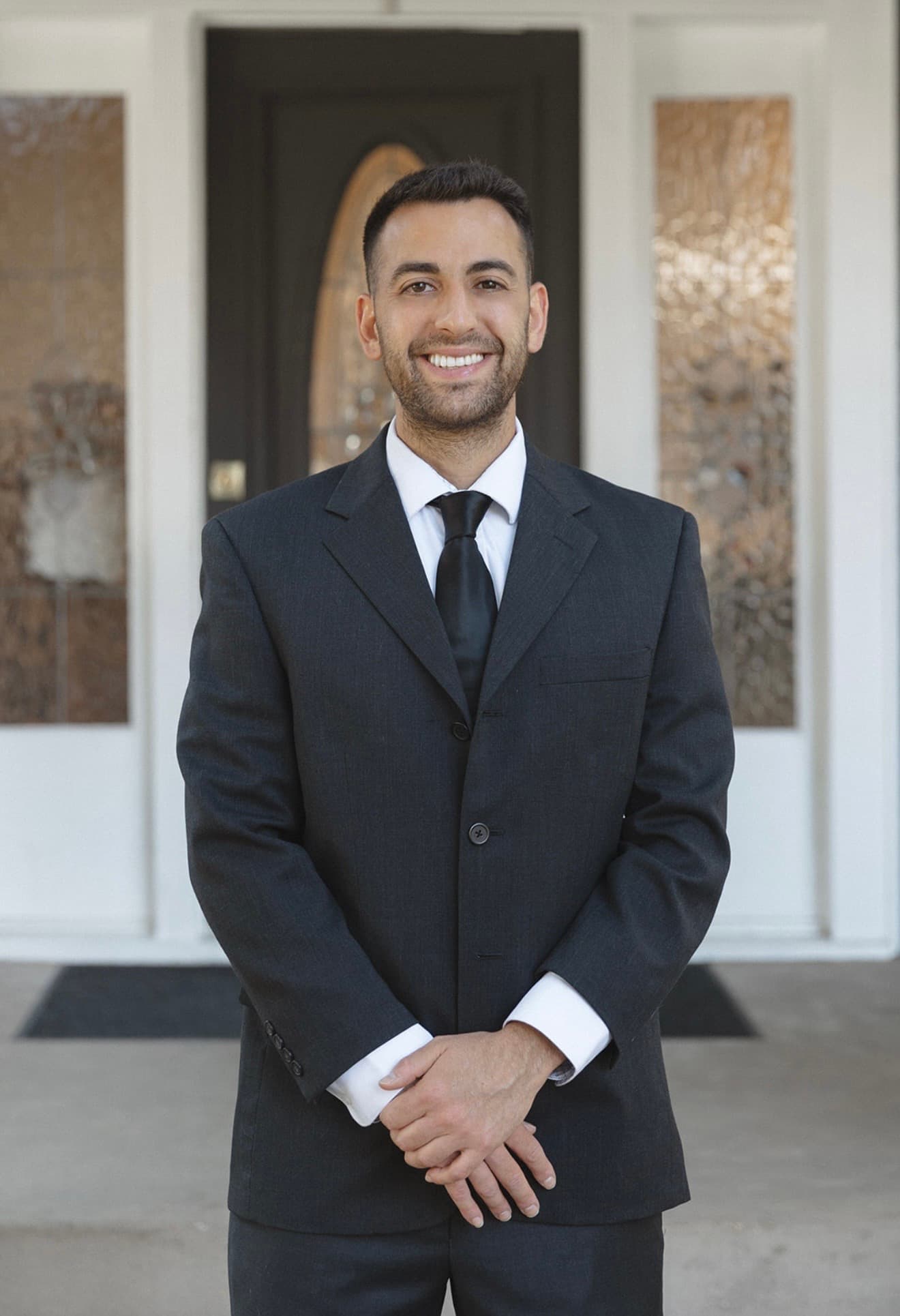
Founder & Managing Attorney, Atlas Immigration Law
Member of the American Immigration Lawyers Association (AILA) and the Dallas Bar Association. Licensed to practice in Texas; fluent in English and Spanish.
Legally reviewed by a licensed immigration attorney
Talk to an immigration attorney about your case
Free consultation on request, flat fees, and a dedicated paralegal who knows your case — serving clients in all 50 states.
This guide is general information, not legal advice, and reading it does not create an attorney-client relationship. Immigration law and procedures change, and how they apply depends on your specific facts — consult a licensed immigration attorney about your situation.