The “citizenship test” is really four small tests given during the naturalization interview: speaking (demonstrated by answering the officer’s questions), reading one sentence in English, writing one sentence in English, and civics — oral questions drawn from a published study list. You do not need perfect English or a history degree; the tests are designed so that a prepared applicant passes, and nearly everyone gets a full second chance at any portion they fail.
Here is how each part actually runs in the room, who is exempt from what, and how to prepare without drowning in myths. This guide is part of our citizenship practice.
The English portions: lower stakes than feared
Speaking is not a separate exam — the officer evaluates it from how you handle the interview itself, and officers are accustomed to accents and modest vocabularies; understanding and responsiveness are what count. Reading means reading aloud one sentence, from up to three attempts, well enough to show comprehension. Writing means writing one dictated sentence, from up to three attempts, legibly enough to be understood — spelling perfection is not the standard. The vocabulary for both comes from short official lists, heavy on civics words: citizen, right, Congress, state names, months.
Study the interview, not just the test
The most common English stumble is not the reading or writing — it is freezing when the officer asks about the N-400. Practicing spoken answers about your own life (your trips, your job, your family) prepares you for the part of the English evaluation that is actually running the whole time.
The civics test: a study list, not a mystery
Civics is oral, and which version you take depends on when you filed your N-400. If you filed on or after October 20, 2025, you take the 2025 civics test: the officer asks up to 20 questions from a published list of 128, and you pass with 12 correct (the test stops once you reach 12, or once you miss 9). If you filed before that date, you take the 2008 test: up to 10 questions from a list of 100, passing at 6. Applicants 65 or older with 20 or more years as permanent residents get a shorter 10-question test from a special list of 20. Every question and acceptable answer is published in advance by USCIS in multiple languages and free study tools; some answers change with elections (your governor, your representative), so refresh those close to your interview date.
Because two versions are in use at once, the most common study mistake now is preparing for the wrong one. Check your N-400 receipt date, then download the matching official study list from the USCIS 2025 civics test page or the 2008 materials — and refresh the answers that change with elections (your governor, your representatives) close to the interview date.
Family members preparing an older parent or a nervous spouse should know their role is bigger than quizzing: reading the dictated sentences aloud for practice, playing officer in mock interviews, and — most valuably — normalizing the experience by describing the room, the oath, and the rhythm so nothing on the day is novel. Applicants fail from surprise more often than from ignorance, and a family that rehearses the day removes the surprise.
Exemptions and accommodations: the rules many applicants never use
| Rule | Who qualifies | What changes |
|---|---|---|
| 50/20 | Age 50+, green card 20+ years | No English test; civics in your language with an interpreter |
| 55/15 | Age 55+, green card 15+ years | Same as above |
| 65/20 | Age 65+, green card 20+ years | English waived and a shortened civics study list, in your language |
| N-648 disability waiver | A medical condition preventing learning or testing | English and/or civics waived entirely, with a clinician-completed form |
The disability waiver deserves particular respect: it exists for genuine cognitive and psychological conditions — dementia, stroke effects, developmental disabilities, documented PTSD — and requires a thorough form from the treating clinician, not a sympathy note. Done properly, it opens citizenship to applicants who could never pass a test; done sloppily, it draws scrutiny. Accommodations short of waiver (extended time, off-site interviews, sign language interpreters) are also available on request.
Preparing for the naturalization interview?
Request a free consultation. We confirm which version of the test applies to you and prepare you for the interview on a flat fee.
If you fail a portion: the second chance, and after
Failing any portion does not end the case. USCIS schedules a retest — typically within a couple of months — covering only the failed portion. Fail that too, and the N-400 is denied for the test alone, which is among the most fixable denials in immigration law: study differently, reapply, pay the fee again. Nothing about a test denial hurts your green card or future eligibility. Applicants who fail twice should also revisit the exemption table above — a meaningful share of repeat failures were eligible for an exemption or waiver the whole time.
A four-week study plan that fits real life
Week one — inventory. Take a full practice run through the official civics list cold and sort the questions into “know,” “shaky,” and “new.” Read the reading and writing vocabulary lists once. Look up your current officials and write them on a card. This week’s output is a map of what actually needs studying, which for most people is a third of the list, not all of it.
Weeks two and three — the shaky and the new. Ten minutes daily, out loud, on only the flagged questions; retire each one after three consecutive correct days. Add one dictated writing sentence per day — have a family member read one aloud from the vocabulary list — and one read-aloud sentence. Twice a week, practice the other test: have someone ask you N-400 questions (“What trips did you take? Where do you work?”) so speaking about your application becomes routine rather than novel.
Week four — simulation and rest. Two full mock interviews with a helper: civics until you reach the passing score for your version (12 of 20, or 6 of 10 on the 2008 test), one reading, one writing, then ten minutes of N-400 conversation. Refresh the officials card in case an election intervened. Then, the final two days, stop — a rested applicant who studied three weeks outperforms an exhausted one who crammed four. The plan’s total cost is under seven hours; its return is why every Atlas citizenship client gets a version of it tailored to their exemption status and starting English.
Preparation that actually works
- Use the official materials only — USCIS publishes the exact questions, vocabulary lists, and practice tools free. Third-party apps are fine when they mirror the official list; myths come from everywhere else.
- Little and often beats cramming — ten minutes daily for two months outperforms a panicked weekend, especially for older learners.
- Say answers aloud — the test is oral; silent flashcard recognition overstates readiness.
- Update the changeable answers — officials’ names change; check them the week of the interview.
- Rehearse the N-400 conversation — the speaking evaluation is the interview itself, so practice talking about your own application.
- Free classes exist — libraries and community organizations run citizenship classes in most cities, and they double as speaking practice.
The day itself: how the test threads through the interview
Applicants often imagine a separate exam room; the reality is one continuous appointment. After check-in and the oath to tell the truth, most officers run the civics questions early — orally, conversationally, stopping at the sixth correct answer — then the reading sentence (from a tablet or card), then the dictated writing sentence, and then the main event: the N-400 review, which doubles as the speaking test. The whole appointment commonly runs twenty to thirty minutes. Practical notes that lower the temperature: you may ask an officer to repeat or rephrase any question; “rephrase, please” is not a wrong answer and is far better than answering the question you guessed at. Arrive early with your green card, passports, and the documents your answers rely on; leave the study sheets in the car — by then, the preparation is either in you or it is not, and calm recall beats last-minute cramming every time.
Myths worth retiring
- “They fail you for an accent.” No — officers evaluate comprehension and responsiveness, not pronunciation. Applicants with heavy accents pass every day.
- “The written sentence must be spelled perfectly.” The standard is that it can be understood; minor spelling and punctuation slips do not fail the writing test.
- “You must know every answer on the list verbatim.” Study lists publish acceptable answers, and reasonable equivalents count. The officer wants the substance, not a recitation.
- “Failing the test hurts your green card.” A test failure delays or denies the N-400 only. Your permanent residence is untouched, and you may reapply.
- “Older applicants have no options.” The 50/20, 55/15, and 65/20 rules plus the N-648 waiver exist precisely for long-time residents and applicants with medical barriers — arguably the most generous accommodations anywhere in immigration law.
Where a lawyer fits in a test story
Honestly: most applicants do not need an attorney to pass a test. Where we earn our keep is around it — spotting exemption and waiver eligibility applicants did not know they had, preparing N-648 waivers that hold up, rehearsing clients whose real risk is the interview rather than the civics list, and stepping in when a “test problem” turns out to be a file problem in disguise. If the test is your only worry, study and go; if anything else in the file worries you, talk to us before the interview does — the test has a retake, but the answers you give about your own history do not.
If you want a lawyer in that story, Jordan Weinberg and the Atlas team handle the whole naturalization case on a flat fee agreed in writing, with milestone billing, a dedicated paralegal reachable by call, email, or text, and interview preparation built around the version of the test that applies to your filing date. See our citizenship services or request a free consultation.
Frequently asked questions
How many questions is the civics test?
It depends on your filing date. For N-400s filed on or after October 20, 2025, the officer asks up to 20 questions from a list of 128 and you need 12 correct. For applications filed earlier, it is up to 10 questions from a list of 100, passing at 6. Applicants 65 or older with 20 or more years as permanent residents take a 10-question test from a special list of 20.
What happens if I fail the test at my interview?
You are scheduled for a retest of only the failed portion, usually within a couple of months. A second failure means the application is denied on that basis — and you may reapply. Test failures do not affect your green card.
Can I take the test in my own language?
If you qualify under the 50/20, 55/15, or 65/20 rules, the civics test is given in your language with an interpreter and the English test is waived. Otherwise the tests are in English.
Is the English requirement strict?
It is more forgiving than most applicants fear: one readable sentence, one writable sentence (three attempts each), and conversational ability sufficient for the interview. Officers accommodate accents and simple vocabulary.
What should I study from?
Only the official USCIS study materials — the exact civics questions, reading and writing vocabulary lists, and practice tests are published free. Verify you are using the version that applies to your case, and refresh election-dependent answers near your interview date.
My parent has dementia and cannot learn the material. Is citizenship impossible?
No. Form N-648, completed by the treating clinician, can waive the English and civics requirements for applicants whose medical conditions prevent learning or demonstrating the material. Oath accommodations exist as well for those unable to understand its meaning.
This guide is part of our citizenship and naturalization services — the service page covers eligibility, fees, and how we handle these cases.
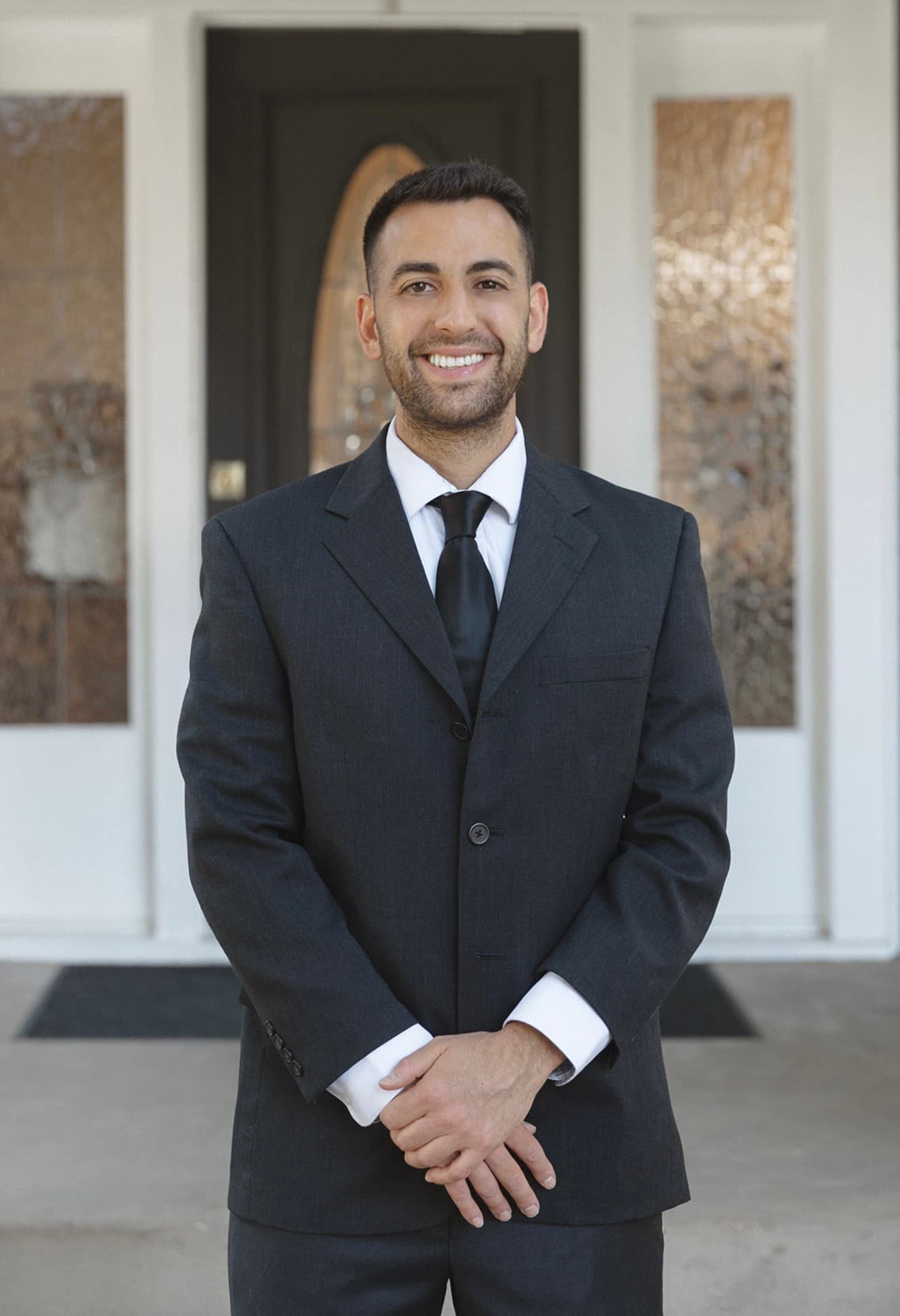
Founder & Managing Attorney, Atlas Immigration Law
Member of the American Immigration Lawyers Association (AILA) and the Dallas Bar Association. Licensed to practice in Texas; fluent in English and Spanish.
Legally reviewed by a licensed immigration attorney
Talk to an immigration attorney about your case
Free consultation on request, flat fees, and a dedicated paralegal who knows your case — serving clients in all 50 states.
This guide is general information, not legal advice, and reading it does not create an attorney-client relationship. Immigration law and procedures change, and how they apply depends on your specific facts — consult a licensed immigration attorney about your situation.