A consular processing attorney manages the half of the green card process that happens outside USCIS: after the immigrant petition is approved, the case moves to the National Visa Center (NVC) and then to a U.S. embassy or consulate abroad, where the applicant attends an immigrant visa interview. Anyone whose relative or spouse lives outside the United States — or who cannot adjust status from inside the country — will go through this pipeline. Because a consular refusal can strand a family abroad for years, the preparation before the interview matters enormously. Atlas Immigration Law, a Dallas firm serving clients in all 50 states and abroad, handles family-based green card cases end to end on flat fees, starting with a free 20-minute consultation.
Key takeaways
Consular processing is the path to a green card through a U.S. embassy abroad: approved petition → NVC document stage → medical exam → consular interview → immigrant visa → entry as a permanent resident. It is document-heavy and unforgiving — inadmissibility problems must be found and solved before the applicant attends the interview, because there is no easy undo once a consular officer refuses a visa. An attorney’s main value is front-loading that risk analysis and keeping the NVC stage moving.
What consular processing is — and who has to use it
Every family green card case has two halves. The first is the immigrant petition — usually a Form I-130 filed by the U.S. citizen or resident sponsor — which proves the qualifying relationship. The second half is where the applicant actually receives permanent residence, and there are only two doors: adjustment of status inside the United States, or consular processing through the Department of State’s immigrant visa process abroad.
- Applicants living abroad — a spouse, parent, or child outside the U.S. has no adjustment option; consular processing is the only path.
- Applicants inside the U.S. who don’t qualify to adjust — most commonly because they entered without inspection or fall outside the narrow categories that permit adjustment. Many of these cases need a provisional unlawful-presence waiver before leaving.
- Applicants who choose it strategically — occasionally consular processing is faster or cleaner than adjustment for a particular consulate and category, a judgment call an attorney should model both ways.
The consular pipeline, start to finish
USCIS describes the government’s view of the sequence on its consular processing overview. In practice, a well-run case looks like this:
| Stage | What happens |
|---|---|
| 1. Petition | The sponsor files the I-130; USCIS approves it and forwards the case to the NVC. |
| 2. NVC fee and forms stage | Fees are paid, the DS-260 immigrant visa application is filed online, and the Affidavit of Support is submitted with the sponsor’s financial evidence. |
| 3. Civil documents | Birth, marriage, divorce, police, and military records are collected — from every relevant country — translated, and uploaded until the NVC marks the case documentarily complete. |
| 4. Interview scheduling | The NVC queues the case for the applicant’s consulate; wait depends on the post and, in preference categories, the priority date. |
| 5. Medical exam | A panel physician approved by the embassy performs the exam shortly before the interview. |
| 6. Consular interview | A consular officer reviews the case, questions the applicant, and approves, refuses, or holds the visa for administrative processing. |
| 7. Visa and entry | The passport is returned with the immigrant visa; the applicant pays the USCIS immigrant fee, enters the U.S., and becomes a permanent resident at admission. |
The stage that stalls the most cases is the third one. The NVC will not schedule an interview until every required civil document and financial form is accepted, and its checklists reject submissions for problems as small as a missing page or an unacceptable translation. Families routinely lose months to checklist ping-pong that careful preparation would have avoided.
The documents that decide the case
- Civil documents — birth certificates, marriage and divorce records, and police certificates from every country where the applicant lived long enough to need one, each meeting the State Department’s per-country standards.
- The Affidavit of Support — the sponsor’s tax returns and income evidence, plus a joint sponsor’s if household income falls short. Weak financial packages are among the most common interview problems and are fully preventable.
- Relationship evidence — especially in marriage cases, the file should prove the relationship is genuine before an officer ever asks: photos over time, joint finances, communication history, and consistent answers.
- The applicant’s immigration history — prior visa refusals, overstays, removal orders, or misrepresentations must be identified before the interview, because the officer will already know about them.
Wondering where your case fits in these timelines?
Request a free consultation and get a straight answer on your category, your realistic timeline, and the flat fee — before you commit to anything.
Where consular cases go wrong
A consular refusal is materially worse than a USCIS denial, because the applicant is already abroad when it happens. Three failure modes account for most of the damage. First, unscreened inadmissibility: unlawful presence, misrepresentation, criminal grounds, or certain prior removals surface at the interview and convert a routine case into a waiver case — with the family separated in the meantime. The right sequence is the reverse: analyze the full history first, and where a waiver such as the I-601 or the provisional I-601A is needed, build it into the plan before anyone boards a plane.
Second, 221(g) administrative processing: the officer neither approves nor denies but asks for more documents or further review. Some 221(g) holds resolve in weeks; others drift for months without a firm deadline. A complete, well-organized file is the best insurance, and a prompt, targeted response is the best cure. Third, inconsistencies — between the DS-260, the original petition, prior visa applications, and interview answers. Officers compare everything. An attorney’s line-by-line consistency review before filing is unglamorous work that prevents the most avoidable refusals.
Costs and timeline
A consular case involves several separate government fees: the USCIS petition filing fee, NVC processing fees for the visa application and Affidavit of Support, the medical exam paid to the panel physician, and the USCIS immigrant fee paid before the green card is produced. Current amounts are listed on the official USCIS consular processing page and the State Department’s immigrant visa instructions. Attorney fees are separate — Atlas quotes a flat fee for the whole case up front, so families are never billed by the hour for NVC checklist rounds or interview prep.
Timelines vary widely by consulate, visa category, and how quickly the document stage is completed. Immediate-relative cases move on agency workload alone, while preference categories also wait on the visa bulletin. Rather than trusting any fixed number, check current processing times and build the family’s plans around ranges, not promises.
How Atlas Immigration Law helps
Atlas handles consular cases with the risk analysis first: a full immigration-history review before filing, so waivers and problem areas are found while the applicant still has options — not at a window in an embassy. From there, the firm runs the NVC stage aggressively (complete submissions, fast checklist responses) and prepares applicants for the interview itself, including the country-specific document quirks their consulate enforces.
The firm is led by Jordan Weinberg, founder and managing attorney, licensed in Texas and a member of AILA and the Dallas Bar Association. Clients work directly with their attorney, get same-business-day responses, and can watch every stage of the case — NVC status included — in the Atlas Vision client portal. Fees are flat and quoted in writing; service is available in English and Spanish. From the Dallas office at 1920 McKinney Ave, Atlas represents spouse-visa and green card clients in all 50 states and at consulates worldwide — immigration law is federal, so where you live doesn’t limit who can represent you. The free 20-minute consultation is the place to start.
Frequently asked questions
What is the difference between consular processing and adjustment of status?
Adjustment of status happens entirely inside the United States through USCIS; consular processing finishes the case at a U.S. embassy or consulate abroad through the State Department. Applicants living abroad must use consular processing, and some applicants inside the U.S. must as well because they don’t qualify to adjust. The [comparison guide](/resources/family-immigration/adjustment-of-status-vs-consular-processing) walks through how to choose.
How long does consular processing take after I-130 approval?
It depends on the NVC document stage, the consulate’s interview backlog, and — for preference categories — the priority date. Immediate-relative cases commonly take many months after approval; preference cases can take years. Check current ranges rather than relying on a fixed figure, since posts differ dramatically.
Do I need a lawyer for consular processing?
There is no requirement, but the stakes are asymmetric: a refusal happens while the applicant is abroad, where fixing problems is slowest and hardest. A lawyer’s main value is screening for inadmissibility before departure, keeping the NVC stage from stalling, and preparing a consistent, complete record for the interview.
What happens if the consular officer refuses the visa?
Many refusals under section 221(g) are temporary — the officer wants more documents or additional review, and the case can still be approved once the issue is resolved. Refusals based on inadmissibility usually require a waiver, such as the I-601, before the visa can be issued. There is no formal appeal of a consular decision, which is why pre-interview screening matters so much.
Can my spouse wait in the U.S. while consular processing is pending?
The sponsoring spouse in the U.S. can remain, but the applicant generally waits abroad. An applicant who is in the U.S. unlawfully and leaves for the interview can trigger the 3- or 10-year unlawful-presence bars — many of those cases need an approved I-601A provisional waiver before departing. Never leave the country mid-case without specific legal advice.
What documents does the National Visa Center require?
The DS-260 visa application, the Affidavit of Support with the sponsor’s financial evidence, and civil documents — birth, marriage, divorce, police, and sometimes military records — from each relevant country, meeting country-specific standards. The NVC will not schedule an interview until it accepts every item, so precision here directly controls the timeline.
Can a Dallas attorney handle a case at an embassy in another country?
Yes. Immigration law is federal, so a Texas-licensed attorney can prepare and manage a consular case at any U.S. embassy or consulate worldwide. The attorney does not attend the interview, but everything that decides the case — the petition, the NVC file, waiver strategy, and interview preparation — is done beforehand.
This guide is part of our family immigration services — the service page covers eligibility, fees, and how we handle these cases.
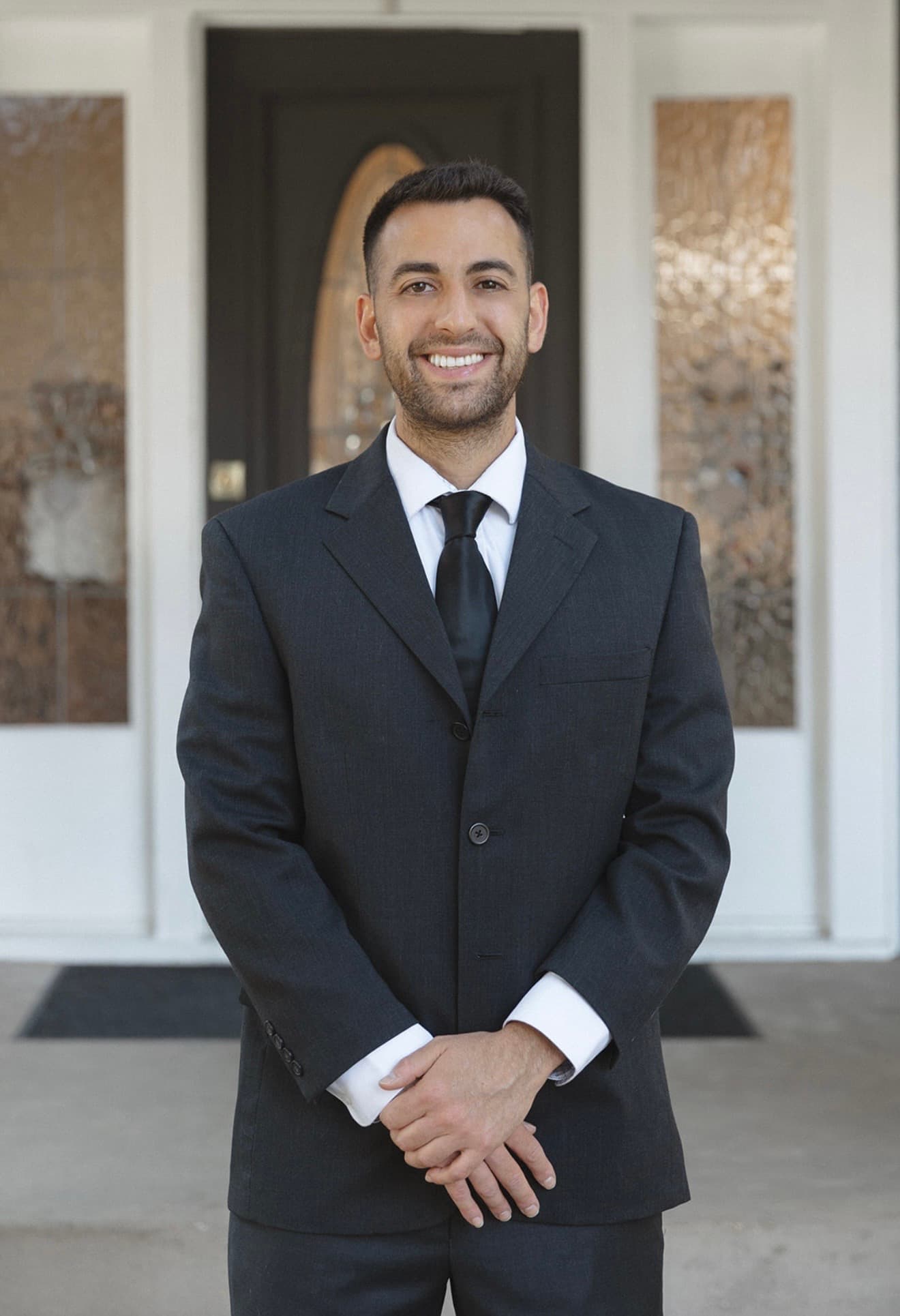
Founder & Managing Attorney, Atlas Immigration Law
Member of the American Immigration Lawyers Association (AILA) and the Dallas Bar Association. Licensed to practice in Texas; fluent in English and Spanish.
Legally reviewed by a licensed immigration attorney
Talk to an immigration attorney about your case
Free consultation on request, flat fees, and a dedicated paralegal who knows your case — serving clients in all 50 states.
This guide is general information, not legal advice, and reading it does not create an attorney-client relationship. Immigration law and procedures change, and how they apply depends on your specific facts — consult a licensed immigration attorney about your situation.