
The K-1 visa lets the fiancé of a U.S. citizen enter the United States to marry within 90 days of arrival, then apply for a green card without leaving. Only citizens can petition — green card holders cannot — and the couple must have met in person within the past two years and both be legally free to marry. If those boxes check, the K-1 is often the fastest way to get an international couple into the same country.
It is also a process with sharp edges: a hard marriage deadline, an interview abroad, and a design that punishes couples who change their minds about *how* they want to use it. This guide — part of our K-1 fiancé visa practice — covers the requirements, the sequence, and the failure modes we actually see.
The four core requirements
- A U.S. citizen petitioner. Permanent residents cannot file a K-1; their route is the spouse petition after marriage.
- Both free to marry. Every prior marriage, on both sides, terminated with paperwork to prove it.
- An in-person meeting within two years of filing. Video calls do not count; narrow exceptions exist for extreme hardship or strict cultural practice, and they are hard to win.
- Genuine intent to marry within 90 days of entry — evidenced, not just asserted: a real wedding plan, statements of intent, and a relationship record.
IMBRA disclosures
The petition requires the citizen to disclose certain criminal history — particularly domestic violence and related offenses — and limits serial K-1 filings. These rules, from the International Marriage Broker Regulation Act, occasionally surprise petitioners; disclosure done right at filing prevents far worse questions later.
The process, start to finish
1. Form I-129F with USCIS
The citizen files the Petition for Alien Fiancé with evidence of the relationship, the in-person meeting (boarding passes, stamps, photos together), intent to marry, and any required disclosures. USCIS processing takes months — check the current wait-time figures rather than any number frozen into an article — and approval sends the case onward; it does not issue any visa itself.
2. NVC hand-off and the consular stage
The approved petition routes through the National Visa Center to the embassy or consulate in the fiancé’s country. The fiancé files the DS-160, gathers police certificates and civil documents, completes the medical exam with an authorized physician, and attends the interview — the step that decides most K-1 cases. Consular officers probe the same thing USCIS did: is this relationship real? Inconsistent answers about the proposal, the wedding plan, or the couple’s history are the classic stumble.
3. Entry, marriage within 90 days, then adjustment
The visa allows a single entry, and the 90-day clock starts at the border. The couple must marry within it — anywhere in the U.S., courthouse or ceremony — and the new spouse then files Form I-485 to adjust status. Work authorization comes with the adjustment filing, not the K-1 itself, and because the marriage is new, the green card will be conditional for two years, with the joint I-751 filing to follow. Children under 21 can accompany on K-2 visas and adjust alongside the parent.
Wondering where your case fits in these timelines?
Request a free consultation and get a straight answer on your category, your realistic timeline, and the flat fee — before you commit to anything.
K-1 or marry first? The honest comparison
| K-1 fiancé visa | Marry first, then spouse visa | |
|---|---|---|
| Who can petition | U.S. citizens only | Citizens and green card holders |
| Where you marry | In the U.S., within 90 days of entry | Anywhere, before filing |
| Typical time to be together in the U.S. | Often faster to entry | Longer to entry, but arrives as a resident |
| Status on arrival | Nonimmigrant; green card process still ahead, with its costs | Immigrant visa; green card status at entry |
| Work authorization | After filing the I-485 | Immediately as a resident |
Neither route is universally better. The K-1 usually wins on time-to-reunion; the marriage-based route wins on arriving with full status and lower total cost. Couples who plan to marry abroad anyway rarely benefit from a K-1 at all.
The problems that actually derail K-1 cases
The 90-day window is absolute
A K-1 entrant who does not marry the petitioner within 90 days has no way to extend the window — no filing exists for it, and neither illness nor venue problems create one, which is why the wedding itself should be scheduled early in the window with the celebration as flexible as the couple likes afterward. There is also no way to switch intentions mid-stream, and no path to adjust status through anyone except that petitioner. Marrying a different person later does not cure it — the statute ties the K-1 to the original relationship. Someone who stays past the window without marrying begins accruing unlawful presence, with all its consequences.
Weak evidence of a real relationship
Long-distance relationships generate thinner paper trails than shared households, and officers know the genuine patterns: sustained communication over time, visits in both directions where feasible, family awareness of the relationship, and a wedding plan more concrete than “soon.” Cases built on a single trip and a ring photo invite refusal — usually not as fraud, but as “not enough,” which still costs months.
History that needed a waiver
The fiancé’s own record — immigration violations, certain criminal history, prior misrepresentation — can make them inadmissible regardless of the relationship’s merits. Some grounds are waivable, but the waiver has to be planned, filed, and won. Discovering inadmissibility at the consular interview, an ocean apart, is the expensive version of a problem that a file review would have caught at the start.
The evidence file: what convinces two governments
A K-1 case is reviewed twice — by USCIS on paper and by a consular officer in person — and the same evidence file has to persuade both. The strong version has four layers. The meeting: passport stamps, boarding passes, hotel confirmations, and photos with recognizable locations, proving you were in the same place within the two-year window. The continuity: a sampled communication record across the whole relationship — call logs, chat threads with dates visible, video-call screenshots — curated to show duration and rhythm, not a 400-page dump. The intent: signed statements of intent to marry from both partners, plus anything concrete about the wedding — a venue inquiry, an officiant conversation, even a dated planning checklist. The context: evidence the families know (photos with relatives, messages), remittances or gifts if any, and honest documentation of how the couple met — including the site or app, since officers ask.
What weakens files: professionally staged photo shoots substituting for candid history, translated chat excerpts with no originals, and glaring gaps — six silent months invite questions with honest answers better given in the filing than improvised at the window. Red flags officers openly weigh include large age gaps, no shared language, a whirlwind timeline, and prior K-1 filings by the petitioner; none is disqualifying, and all are manageable when addressed with evidence rather than left as unexplained silences.
The interview day, from the fiancé’s side
The person who attends the interview is the one who never filed anything — worth remembering when preparing. The fiancé should walk in owning the whole story: how the couple met and when, in their own words; the petitioner’s basics (job, city, family) at conversational depth; the wedding plan with specifics; and the contents of the petition they are being interviewed about, which means the petitioner must actually share the filing with them. Logistics differ by post — some interview through glass in minutes, others take an hour — and a refusal under 221(g) for missing documents is common and curable, not a denial. What the fiancé should never do: guess at answers about the petitioner’s life, minimize prior relationships the forms disclosed, or bring coached phrasing that does not sound like them.
After the wedding: the adjustment package, ready to go
The K-1’s ending is a beginning: within the 90 days, the couple marries and files the full adjustment bundle — I-485, work permit, travel document, and the I-864 Affidavit of Support with the citizen’s tax documentation. Practical notes that save K-1 couples grief: the foreign spouse’s Social Security number is best requested early (the K-1 window allows it) or with the adjustment filing; the medical exam from the consular stage can sometimes be reused if timing allows, sparing a second exam fee; and the marriage certificate needs to be the certified official copy, ordered the week of the wedding. Until the work permit arrives, the new spouse cannot lawfully work, and until advance parole arrives, leaving the country abandons the application — the two facts that most shape a K-1 household’s first months. From there, the case follows the standard marriage-based green card road, conditional residence included.
How Atlas runs K-1 cases
We front-load the two things that sink these cases: a full inadmissibility screen of the fiancé’s history before filing, and a relationship evidence package assembled to consular standards, not just USCIS ones. Then we prepare the fiancé for the interview with the questions officers actually ask, keep both partners synchronized on their answers, and have the adjustment-of-status filing ready to go once the wedding happens — so the 90-day window ends with a green card application in the mail, not a scramble.
Jordan Weinberg handles K-1 cases from the I-129F through the adjustment of status after the wedding, on a flat fee agreed in writing with milestone billing, with a dedicated paralegal reachable by call, email, or text, and the Atlas Vision client portal so both of you can follow the case from different countries. See our fiancé visa services or request a free consultation.
Frequently asked questions
How long does the K-1 process take?
USCIS petition processing plus consular processing typically adds up to a year or more, varying by service center workloads and the specific embassy. Check current published processing times rather than fixed estimates — and remember the green card process follows after the marriage.
Can a green card holder get a fiancé visa?
No. The K-1 is limited to U.S. citizen petitioners. A permanent resident’s route is to marry first and file a spouse petition — or to naturalize and then file the K-1.
Can my fiancé work after arriving on the K-1?
Not immediately in practice. Work authorization comes with the adjustment of status filing after the marriage. Plan the household budget around some months without the new spouse working.
What if we break up after the K-1 is approved or after entry?
The K-1 cannot be transferred to a new relationship. If the marriage to the petitioner does not happen within 90 days, the fiancé is expected to depart; remaining accrues unlawful presence. Talk to an attorney promptly if the relationship ends mid-process.
Do we need to have met in person?
Yes — at least once within the two years before filing, with documentary proof. Exceptions for extreme hardship or strict cultural or religious practice exist but are granted sparingly and need strong evidence.
Can my fiancé bring their children?
Unmarried children under 21 can receive K-2 visas, enter with (or within a year after) the K-1 parent, and apply for green cards alongside them after the marriage.
This guide is part of our family immigration services — the service page covers eligibility, fees, and how we handle these cases.
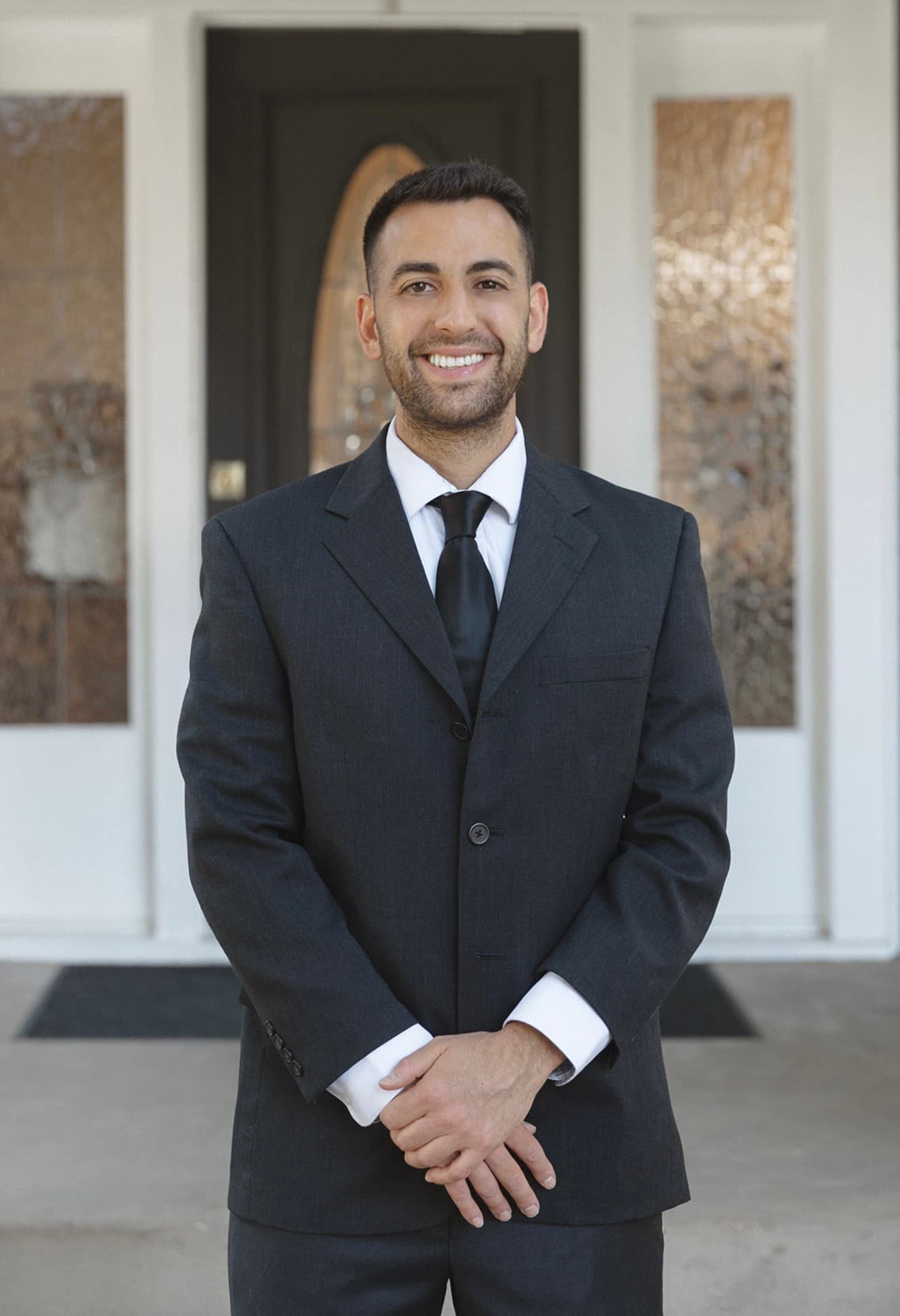
Founder & Managing Attorney, Atlas Immigration Law
Member of the American Immigration Lawyers Association (AILA) and the Dallas Bar Association. Licensed to practice in Texas; fluent in English and Spanish.
Legally reviewed by a licensed immigration attorney
Talk to an immigration attorney about your case
Free consultation on request, flat fees, and a dedicated paralegal who knows your case — serving clients in all 50 states.
This guide is general information, not legal advice, and reading it does not create an attorney-client relationship. Immigration law and procedures change, and how they apply depends on your specific facts — consult a licensed immigration attorney about your situation.