
A free immigration consultation is a short, no-obligation conversation with an immigration lawyer about your actual situation: what you want to achieve, whether the law offers a path, and what pursuing it would involve. At Atlas Immigration Law, the free consultation runs 20 minutes, is available by phone or video in English or Spanish, and is open to people anywhere in the U.S. or abroad — immigration law is federal, so a Dallas firm can help regardless of where you live. You leave with a straight answer about whether you have a viable case, which option fits best, and — if Atlas can help — a written flat-fee quote for the work. Requesting one takes a minute, and this guide shows you how to get the most out of the time.
Key takeaways
Come with a one-paragraph summary of your situation, your key dates (entries, filings, expirations), and any government notices you have received. Ask what your options are, what could go wrong, and what the total fee would be. A good consultation ends with clarity — sometimes the clarity is “file now,” sometimes it is “wait,” and both answers are worth twenty minutes. You should never feel pressured to sign anything on the spot.
What actually happens in the 20 minutes
The structure is simple. First, you describe your situation — your goal, your history, and anything already filed. The attorney will ask targeted follow-up questions, because in immigration the details decide everything: how and when you entered the U.S., your family relationships and their status, any arrests or prior filings, and current deadlines.
Then the attorney maps your facts onto the law: which paths exist for you, which one fits best, and what the honest obstacles are. Many situations touch several possibilities — family petitions, employment sponsorship, humanitarian protection — and part of the value is hearing which ones are real for you and which are internet myths. If you are curious before the call, USCIS publishes the full list of green card eligibility categories, our guide to green card categories, explained translates them into plain English, and the two-minute eligibility quiz gives you a rough starting orientation.
Finally, next steps. If Atlas can help, you hear the scope of work and a flat-fee quote. If the right advice is to wait — for a law to change, a date to become current, or a fact to mature — you hear that instead. A consultation that ends with “do not file yet” has done its job.
How to prepare: the 15-minute homework
- Write a timeline. Dates matter enormously in immigration law. Note when you (or the family member in question) entered the U.S., how, any departures and re-entries, and when any status expired or expires.
- Summarize your goal in one sentence. “I want to sponsor my husband,” “My OPT ends in May and my employer wants to keep me,” “My mother has a court date.” Starting from the goal saves five minutes of orientation.
- List prior filings and outcomes. Any application ever filed — approved, denied, or pending — including receipt numbers if you have them.
- Flag any complications honestly. Arrests, prior deportations or orders, visa overstays, or misrepresentations. Lawyers are not shocked by these; they plan around them. Hiding them wastes your consultation and can wreck a later filing.
- Prepare your own questions. Fees, timeline, who handles the case, what could go wrong. The consultation is also your chance to vet the firm.
Documents worth having at hand
You do not need a briefcase for a first call, but having a few items nearby lets the attorney give sharper answers: passports and any visas, I-94 records, marriage or birth certificates relevant to the case, work permits or green cards in the family, and — most importantly — any notice from USCIS or an immigration court. Government notices contain receipt numbers, deadlines, and legal grounds that transform a vague question into a precise one.
Wondering where your case fits in these timelines?
Request a free consultation and get a straight answer on your category, your realistic timeline, and the flat fee — before you commit to anything.
What you should walk away with
- A viability read. Whether the law currently offers you a realistic path — or does not, which is painful but far cheaper to learn now than after filing.
- A recommended strategy. Which application or defense fits your facts, and why it beats the alternatives.
- The honest risk list. Every case has weak points; you should hear yours named.
- A written fee quote. At Atlas, a flat fee covering a defined scope of work — so the decision to hire is made with the full number in view.
- A sense of the firm. Did the attorney listen, answer directly, and explain clearly? That is the working relationship you would be buying — our guide on how to vet any immigration firm lists the questions worth asking.
Costs and timeline: what “free” does and does not include
The consultation itself costs nothing and commits you to nothing. If you hire a firm, two kinds of costs follow: government filing fees, which are set by USCIS, published on the official fee schedule, and payable no matter who represents you — and attorney fees, which vary by firm and case. Atlas quotes attorney fees as a single flat amount in writing before you commit, so the consultation ends with the full financial picture rather than an estimate that grows later.
On timing: how long your case takes after filing is mostly determined by government workloads, which differ by case type and office and change month to month — see current processing times for realistic ranges. What a consultation can tell you precisely is the timeline of *your* work: what must be gathered, in what order, and when a filing could realistically go out.
How Atlas Immigration Law runs its free consultation
The free 20-minute consultation at Atlas is a real legal conversation, not a sales screening — you talk through your situation and options with the firm founded by Jordan Weinberg, a Texas-licensed immigration attorney and member of AILA and the Dallas Bar Association. Consultations run in English or Spanish, by phone or video, for clients in Dallas, across all 50 states, and abroad.
If Atlas takes your case, you get what the firm is known for — flat transparent fees, same-business-day responses, a dedicated paralegal, and real-time case tracking in the Atlas Vision portal — from the Dallas office at 1920 McKinney Ave. And if the honest answer is that you should wait or that another kind of help fits better, you will hear that in plain words, free of charge. Either way, request the consultation and bring your questions.
Frequently asked questions
Is a free immigration consultation really free?
At Atlas, yes — the 20-minute consultation costs nothing and carries no obligation to hire the firm. Costs only begin if you decide to move forward, at which point you receive a written flat-fee quote for attorney fees plus the government filing fees set by USCIS.
What should I bring to an immigration consultation?
A short written timeline of your immigration history, your passport and visa information, any notices from USCIS or the immigration court, and a list of prior applications and their outcomes. Government notices are the most valuable item — they contain receipt numbers, deadlines, and the legal grounds the attorney needs.
Can a lawyer really assess my case in 20 minutes?
For most situations, yes — an experienced immigration attorney can identify the realistic paths and the major obstacles quickly once the key facts and dates are on the table. Complex histories may need a longer follow-up, but twenty minutes is enough to learn whether you have a case worth pursuing and what it would involve.
Will the lawyer tell me if I don’t have a case?
A good one will, plainly. Sometimes the best legal advice is to wait for a date to become current, a law to change, or a fact to mature — and sometimes the honest answer is that no path currently exists. Hearing that for free is far better than paying to file an application that cannot succeed.
Do I need to be in Dallas to get a consultation with Atlas?
No. Immigration law is federal, so Atlas represents clients in all 50 states and abroad, and consultations run by phone or video in English or Spanish. The Dallas office at 1920 McKinney Ave is there for clients who prefer to meet in person.
Is what I say in a free consultation confidential?
Yes. Consultations with a licensed attorney are confidential, which is exactly why you should be fully honest about arrests, overstays, prior orders, or anything else complicated. Attorneys plan around problems they know about; problems they discover later are the ones that damage cases.
What happens after the consultation if I want to hire the firm?
You receive a written engagement with the flat fee and the scope of work it covers. From there, Atlas opens your case in the Atlas Vision portal, sends the questionnaires and document checklists, and the case begins — with same-business-day responses to your questions throughout.
This guide is part of our Dallas immigration lawyer services — the service page covers eligibility, fees, and how we handle these cases.
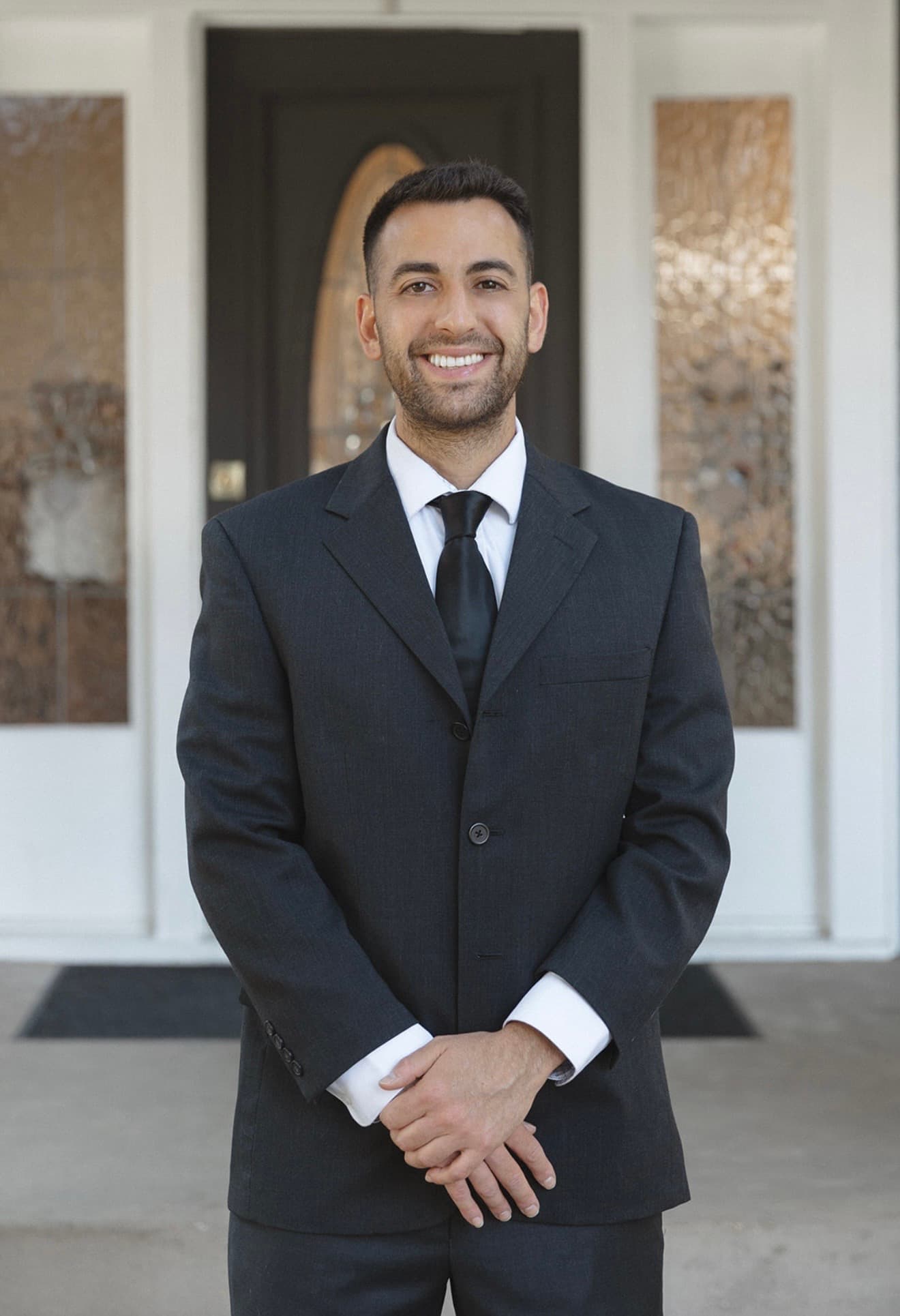
Founder & Managing Attorney, Atlas Immigration Law
Member of the American Immigration Lawyers Association (AILA) and the Dallas Bar Association. Licensed to practice in Texas; fluent in English and Spanish.
Legally reviewed by a licensed immigration attorney
Talk to an immigration attorney about your case
Free consultation on request, flat fees, and a dedicated paralegal who knows your case — serving clients in all 50 states.
This guide is general information, not legal advice, and reading it does not create an attorney-client relationship. Immigration law and procedures change, and how they apply depends on your specific facts — consult a licensed immigration attorney about your situation.