
An O-1 visa lawyer turns an impressive career into a petition USCIS can approve: mapping awards, publications, press, high pay, and judging roles onto the regulatory extraordinary-ability criteria, securing the required advisory opinion, and preparing the Form I-129 petition that a U.S. employer or agent — never the individual alone — must file. Researchers, founders, engineers, physicians, artists, and athletes use the O-1 because it has no annual cap and no lottery; employers use it to hire talent the H-1B lottery locked out. Atlas Immigration Law builds O-1A and O-1B cases from our Dallas office for petitioners and beneficiaries in all 50 states, with flat fees quoted up front, an honest evidence assessment first, and a free consultation on request.
Key takeaways
The O-1 is for people at the top of their field: O-1A for sciences, education, business, and athletics; O-1B for the arts and the motion picture/TV industry. A U.S. employer or agent petitions on Form I-129 with a peer-group consultation letter; the beneficiary cannot self-petition, though founders can sometimes be sponsored through their own company with the right structure. Approval turns on evidence matched to specific criteria — a major award, or at least three categories such as press coverage, judging, original contributions, publications, and high remuneration. Initial stays run up to three years with extensions available, and a strong O-1 file often becomes the backbone of an EB-1A green card.
Who files what: employers, agents, and founders
The O-1 requires a petitioner. Usually that is the U.S. employer filing Form I-129 for a specific role. But the O-1 also allows a U.S. agent to petition — on behalf of multiple employers, for a series of engagements, or as agent for a foreign employer — which is how consultants, performers, and athletes with several gigs structure their cases. Founders occupy a middle ground: an entrepreneur cannot self-petition, but a properly organized company the founder owns can, in the right circumstances, act as the petitioner. Getting that structure right is legal work worth doing before the petition, not after an RFE.
Every O-1 petition also needs a consultation — a written advisory opinion from a peer group, labor organization, or management organization in the field. In the arts and motion picture/TV world these come from established unions and guilds; in science and business, from a qualifying peer group or experts. Beneficiaries approved for O-1 work may be supported by O-2 assistants (in athletics and the arts), and spouses and children hold O-3 status — lawful stay, school allowed, but no work authorization.
Who qualifies: the criteria that actually decide cases
The standard is extraordinary ability — a level of expertise indicating the person is among the small percentage at the very top of the field (for O-1B arts cases, distinction: a high level of achievement shown by renown substantially above the ordinary). USCIS applies written criteria, described on the agency’s O-1 overview page. One qualifying major internationally recognized award can carry a case alone; everyone else proves at least three of criteria like these:
- Nationally or internationally recognized prizes or awards for excellence in the field.
- Membership in associations that demand outstanding achievement, judged by recognized experts.
- Published material about you in professional or major trade publications or major media.
- Judging the work of others — peer review, grant panels, competition juries, program committees.
- Original contributions of major significance — patents in use, methods adopted by others, research that moved the field.
- Scholarly articles, critical or essential employment at distinguished organizations, and high salary or remuneration relative to the field.
Meeting three checkboxes is the floor, not the finish: officers then weigh the record as a whole. The lawyer’s craft is in the framing — recommendation letters that explain *why* a contribution mattered, evidence packaged so a non-specialist can see the stature in minutes, and honest triage about which criteria are strong enough to lead.
The O-1 process, step by step
| Stage | Who acts | What happens |
|---|---|---|
| 1. Evidence audit | Beneficiary + attorney | Candid mapping of the career against the criteria — and a gap plan if the record is 6–12 months short. |
| 2. Petitioner setup | Employer or agent | Confirm who petitions: employer, agent for multiple engagements, or the founder’s company with proper structure. |
| 3. Consultation letter | Peer group / union | The advisory opinion required for filing is requested and obtained. |
| 4. I-129 filing | Petitioner | The full petition — itinerary or job offer, contracts, exhibits, letters — goes to USCIS; premium processing is available. |
| 5. Adjudication | USCIS | Approval, RFE, or denial. RFEs typically attack the significance of contributions or the caliber of venues and press. |
| 6. Visa or status | Beneficiary | Consular O-1 visa application abroad, or change of status inside the U.S. Initial stay up to three years; extensions follow the work. |
Wondering where your case fits in these timelines?
Request a free consultation and get a straight answer on your category, your realistic timeline, and the flat fee — before you commit to anything.
Where O-1 cases go wrong
- Volume mistaken for weight. Two hundred pages of certificates lose to twelve exhibits that each prove a criterion cleanly. Officers reward organization.
- Letters that praise instead of prove. “Brilliant and dedicated” moves nothing; letters must document specific contributions, who adopted them, and what changed because of them.
- The wrong petitioner structure. Founders filing through companies they control without independent oversight, or agents filing without real itineraries and contracts, invite RFEs that a week of upfront structuring would have prevented.
- Field defined too broadly. “Extraordinary in business” is unwinnable; “extraordinary in payments-fraud machine learning” with the record scoped to match is a case.
- Stopping at the visa. The O-1 is temporary. Much of its evidence carries into the EB-1A extraordinary-ability green card — our EB-1 practice often builds both in sequence, and the green card categories guide shows where it fits.
Costs and timeline
Government fees include the I-129 filing fee (current amounts on the Form I-129 page), the optional premium-processing fee, consular visa fees for the beneficiary and O-3 family, and any charges the peer group or union sets for the consultation letter. Attorney fees are separate: Atlas quotes a flat fee for the O-1 in writing before the engagement starts, so employers, agents, and beneficiaries know the full representation cost regardless of how many drafts the recommendation letters take.
Timeline is mostly evidence-driven: gathering letters, press, and the consultation typically takes longer than USCIS adjudication once premium processing is used. Regular processing varies by service center — check current processing times — and beneficiaries changing status should plan travel carefully, since leaving the U.S. mid-process changes the path to a consular filing.
How Atlas Immigration Law helps
Atlas starts every O-1 with an honest assessment: which criteria you meet today, which you can meet with a targeted 6–12 month plan, and whether a different work visa gets you working sooner. When we build the petition, we draft the letters with your recommenders, structure agent and founder cases correctly, and assemble the exhibit book the way adjudicators actually read. Flat transparent fees, same-business-day responses, a dedicated paralegal, and every milestone tracked in the Atlas Vision portal.
Jordan Weinberg, founder and managing attorney, is licensed in Texas and a member of AILA and the Dallas Bar Association. The firm works in English and Spanish from its Dallas office at 1920 McKinney Ave and represents O-1 petitioners and beneficiaries in all 50 states — the free 20-minute consultation is the fastest way to find out whether your record is an O-1 record.
Frequently asked questions
Can I apply for an O-1 visa without an employer?
Not by yourself — the O-1 requires a U.S. employer or U.S. agent to file the petition. Freelancers and performers commonly use an agent petitioning for multiple engagements with an itinerary, and founders can sometimes be sponsored through a properly structured company they own. Self-petitioning is only possible later, at the EB-1A green card stage.
What is the difference between O-1A and O-1B?
O-1A covers extraordinary ability in the sciences, education, business, and athletics under the “small percentage at the top of the field” standard. O-1B covers the arts and the motion picture and television industry under a distinction standard focused on sustained renown. The criteria lists and the consultation sources differ between the two.
How many criteria do I need to qualify for an O-1?
A one-time major internationally recognized award can qualify on its own; otherwise you must satisfy at least three of the regulatory criteria — such as awards, published material about you, judging others’ work, original contributions, scholarly articles, critical employment, or high remuneration. Meeting three is the threshold; officers still weigh the overall record.
Is there a lottery or cap for O-1 visas?
No. The O-1 has no annual cap and no registration lottery, and petitions can be filed year-round. That is why it has become a leading alternative for high-achieving professionals who were not selected in the H-1B lottery.
How long can I stay in the U.S. on an O-1?
Initial approval is granted for the period of the event or work, up to three years, and extensions are available in increments tied to the continuing work. There is no fixed maximum number of years, but status always follows real, documented engagements.
Does the O-1 lead to a green card?
Not automatically, but the evidence overlaps heavily with the EB-1A extraordinary-ability green card, which does allow self-petitioning. Many clients use the O-1 to start work quickly while the EB-1A record is strengthened and filed. The two cases should be planned together from the start.
Can my spouse work on an O-3 visa?
No. O-3 spouses and children may live in the U.S. and study, but O-3 status does not include work authorization. Families for whom a working spouse is essential sometimes weigh the L-1/L-2 route or an independent status for the spouse — a point worth raising in the initial consultation.
This guide is part of our work visa services for employers — the service page covers eligibility, fees, and how we handle these cases.
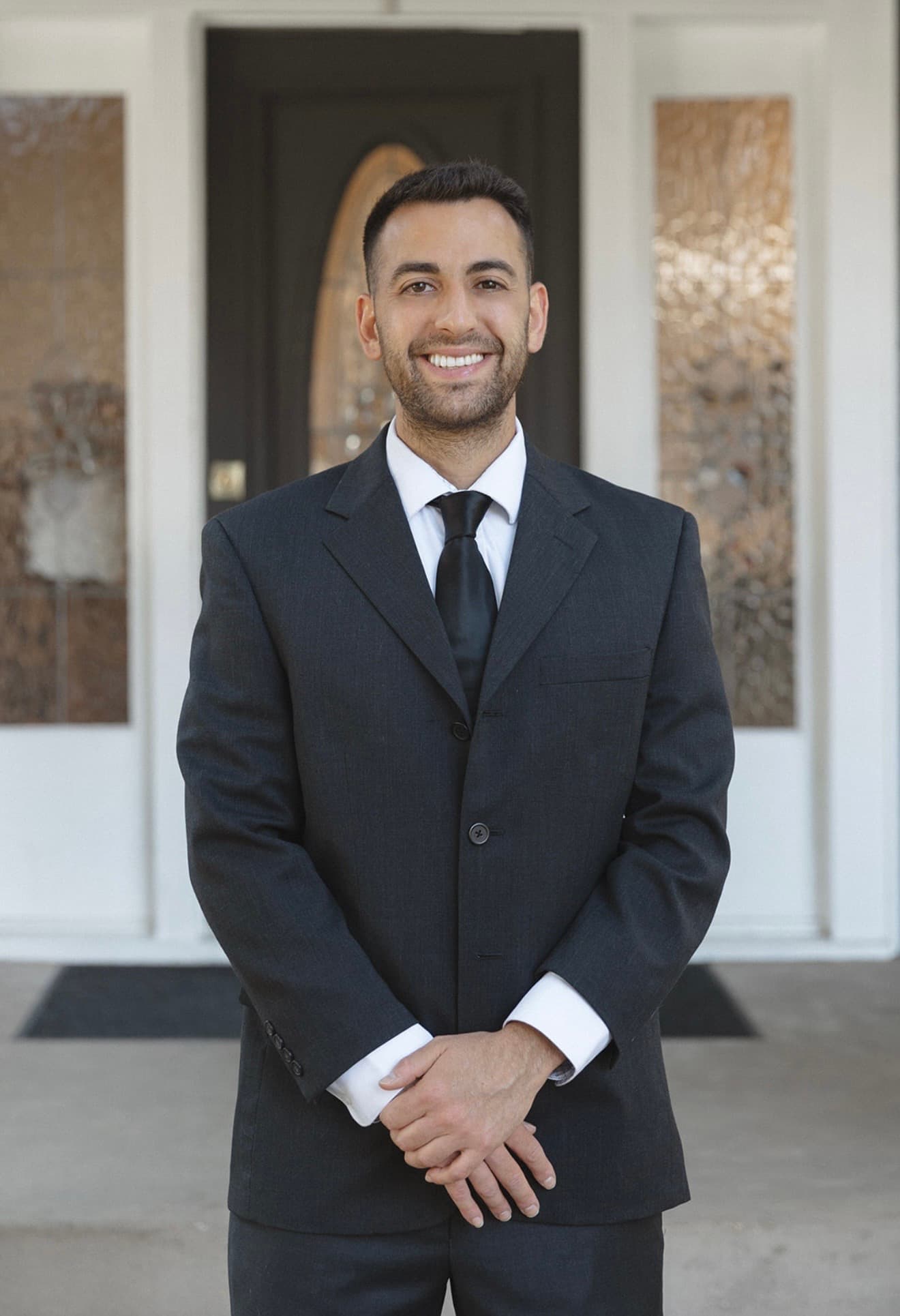
Founder & Managing Attorney, Atlas Immigration Law
Member of the American Immigration Lawyers Association (AILA) and the Dallas Bar Association. Licensed to practice in Texas; fluent in English and Spanish.
Legally reviewed by a licensed immigration attorney
Talk to an immigration attorney about your case
Free consultation on request, flat fees, and a dedicated paralegal who knows your case — serving clients in all 50 states.
This guide is general information, not legal advice, and reading it does not create an attorney-client relationship. Immigration law and procedures change, and how they apply depends on your specific facts — consult a licensed immigration attorney about your situation.