
A citizenship lawyer reviews a green card holder’s full history before the Form N-400 is filed, fixes eligibility problems while they are still fixable, and prepares the applicant for the naturalization interview and test. Most permanent residents qualify after five years — three if married to and living with a U.S. citizen — but the application invites the government to re-examine everything: travel, taxes, arrests, and even how the green card was obtained. People with clean, simple histories often file on their own; a lawyer matters most when anything in the record could complicate the case. Atlas Immigration Law handles citizenship and naturalization cases from its Dallas office for clients in all 50 states, on flat fees, with a free 20-minute consultation to review your eligibility before you file.
Key takeaways
Naturalization requires qualifying years as a permanent resident, continuous residence and physical presence, good moral character, and passing the English and civics tests. The N-400 triggers a full-file review — so the smart sequence is to audit your history first and file second. Hire a lawyer if you have any arrests, long trips abroad, tax issues, or anything questionable in the original green card; otherwise a pre-filing review is still cheap insurance against risking the status you already have.
What a citizenship lawyer actually does
- Pre-filing eligibility audit — continuous residence, physical presence day-counts, tax compliance, selective service, and a criminal-history review against the good moral character standard.
- Risk screening — the question that matters most: is there anything in this file that could put the green card itself at risk if the government re-examines it?
- A clean, consistent N-400 — every answer checked against prior filings, because inconsistencies between the N-400 and the original green card case are a classic interview problem.
- Interview and test preparation — what the officer will ask, how the English and civics tests work, and which documents to bring.
- Problem-solving when things go sideways — requests for evidence, second interviews, and denials, including whether to refile or appeal.
Who qualifies for naturalization
The core requirements are stable and well established: you must generally be at least 18, hold a green card for five years (or three years if married to and living with a U.S. citizen who has been a citizen that whole time), maintain continuous residence and meet the physical presence day-count, live in the state or USCIS district where you file for the required period, demonstrate good moral character during the statutory window, pass the English and civics tests, and take the oath of allegiance. Our guides on naturalization eligibility and continuous residence and physical presence unpack each requirement in depth.
Two of these trip up more applicants than the rest combined. Trips abroad of six months or more can break continuous residence even when the green card survived the trip. And good moral character reaches beyond convictions — unpaid taxes, unpaid child support, misstatements on any government form, and certain offenses that seemed minor at the time all count. Neither problem announces itself; both surface at the interview if nobody looked first.
The naturalization process, filing to oath
| Stage | What happens |
|---|---|
| 1. Pre-filing review | History audit: travel, taxes, arrests, prior filings. Problems get solved — or the filing gets postponed — before USCIS is invited to look. |
| 2. N-400 filing | The application is filed online or by mail with the supporting documents and fee. |
| 3. Biometrics | Fingerprints and background checks; USCIS often reuses prints already on file. |
| 4. Interview and test | An officer reviews the entire file under oath, tests English, and administers the civics test. |
| 5. Decision | Approval, a request for more evidence, a second interview — or denial with a written explanation. |
| 6. Oath ceremony | Citizenship becomes real only at the oath; the certificate of naturalization is issued the same day. |
For a detailed walk-through of each stage — including what happens between approval and the ceremony — see our guides to the N-400 naturalization process and the citizenship test.
Wondering where your case fits in these timelines?
Request a free consultation and get a straight answer on your category, your realistic timeline, and the flat fee — before you commit to anything.
When you genuinely need a lawyer — and when you may not
An honest rule of thumb: the N-400 is a re-examination of your whole immigration life, so the need for counsel scales with the complexity of that life. Get a legal review before filing if any of these apply: any arrest or citation anywhere, ever, even if dismissed; trips abroad approaching or exceeding six months; back taxes or non-filed returns; a divorce close in time to a marriage-based green card; anything on the original green card application that wasn’t fully accurate; a registration or voting issue; or a name, date, or document inconsistency across old filings.
The reason for caution is asymmetry. A denied N-400 usually costs time and a filing fee — but in the worst cases, the review uncovers a problem with the underlying green card, and what began as a citizenship application becomes a fight to keep permanent residence. That outcome is rare, and it is almost always foreseeable in a pre-filing review. Applicants with genuinely clean, simple histories often file successfully on their own; the value of a consultation is knowing which group you are in before the government decides for you.
Costs and timeline
The government side of the cost is the USCIS filing fee for the N-400, with current amounts and fee-waiver and reduced-fee options listed on the official N-400 page. Attorney fees are separate. Atlas charges a flat fee quoted in writing after the consultation — the same price whether your case resolves in one interview or needs a response to a request for evidence — so there is no meter running on your questions.
Naturalization timelines vary by field office — the Dallas office has its own queue, and offices elsewhere differ — and shift with workload. Rather than plan around a fixed figure, check current processing times and remember the practical milestones: interview scheduling is the long pole, and the oath usually follows approval quickly.
How Atlas Immigration Law helps
Atlas approaches every naturalization case audit-first: your full history is reviewed against the eligibility and moral-character standards before anything is filed, so the N-400 goes in clean or it waits until it can. Interview preparation is specific, not generic — your file, your likely questions, your documents. And if the review surfaces a risk to the green card itself, you hear it plainly, with options, before USCIS is involved.
- Flat transparent fees — one written quote for the whole engagement.
- A dedicated paralegal — same-business-day responses from the person who knows your case.
- Atlas Vision client portal — secure questionnaires, document uploads, and real-time status tracking from filing to oath.
- Dallas office, national reach — 1920 McKinney Ave, serving clients in all 50 states, in English and Spanish, starting with a free 20-minute consultation.
The practice is led by Jordan Weinberg, founder and managing attorney, licensed in Texas and a member of AILA and the Dallas Bar Association.
Frequently asked questions
Do I need a lawyer to apply for U.S. citizenship?
Not legally — many people with simple, clean histories file the N-400 successfully on their own. A lawyer becomes valuable when anything could complicate the file: arrests, long trips abroad, tax issues, or questions about the original green card. Because the N-400 invites a full re-examination of your record, a pre-filing review is inexpensive insurance either way.
How much does a citizenship lawyer cost in Dallas?
Fees vary by firm and case complexity. Atlas Immigration Law charges flat fees quoted in writing after a free 20-minute consultation, so the price is known before the engagement starts. The USCIS filing fee for the N-400 is separate and is listed on the official USCIS page, along with fee-waiver and reduced-fee options.
How long does naturalization take in Dallas?
It depends on the Dallas field office’s current workload, which changes over time. The interview is typically the longest wait, and the oath ceremony usually follows approval quickly. Check current processing times for a realistic range rather than relying on a fixed number.
Can I apply for citizenship after 3 years instead of 5?
Yes, if you have been a permanent resident for three years, married to and living with the same U.S. citizen spouse for those three years, and your spouse has been a citizen the entire time. All the other requirements — continuous residence, physical presence, good moral character, and the tests — still apply.
Will an old arrest stop me from becoming a citizen?
Not necessarily — outcomes depend on the offense, the disposition, and when it happened relative to the good moral character period. But every arrest must be disclosed, even if dismissed or expunged, and certain offenses carry consequences beyond a denial. Any criminal history, however minor it seems, is a reason to get a legal review before filing.
What happens if my N-400 is denied?
USCIS issues a written decision explaining why. Depending on the reason, you may request a hearing with another officer, fix the problem and refile — common for failed tests or documentation gaps — or, in rare cases involving the underlying green card, need a more serious defense strategy. The written reasons determine the right move.
Do long trips abroad affect my citizenship application?
They can. Trips of six months or more create a presumption that continuous residence was broken, and trips of a year or more generally break it outright — even when your green card survived the travel. Day-counts for physical presence matter too. Reconstruct your travel history carefully before filing; it is one of the first things the officer checks.
This guide is part of our citizenship and naturalization services — the service page covers eligibility, fees, and how we handle these cases.
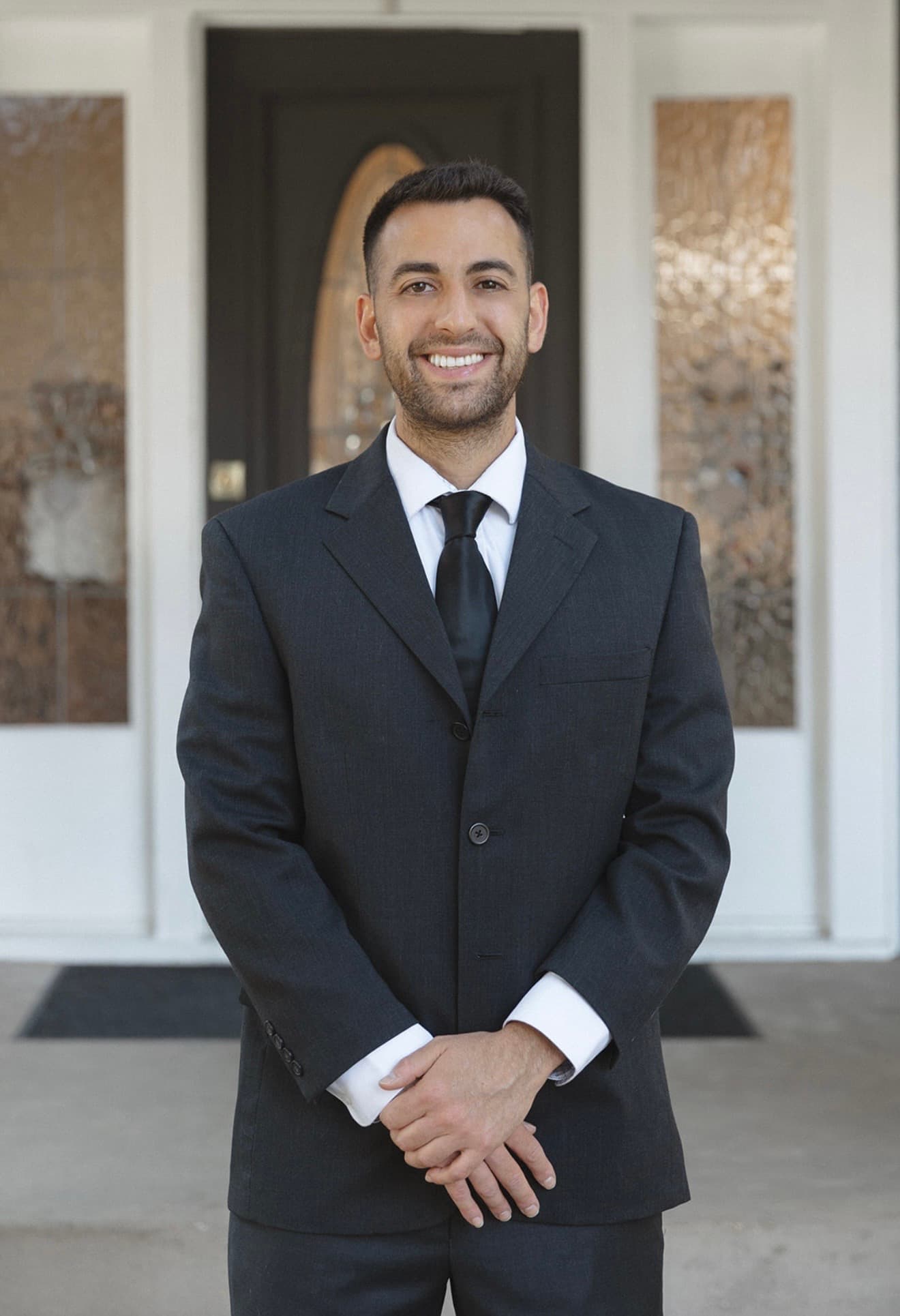
Founder & Managing Attorney, Atlas Immigration Law
Member of the American Immigration Lawyers Association (AILA) and the Dallas Bar Association. Licensed to practice in Texas; fluent in English and Spanish.
Legally reviewed by a licensed immigration attorney
Talk to an immigration attorney about your case
Free consultation on request, flat fees, and a dedicated paralegal who knows your case — serving clients in all 50 states.
This guide is general information, not legal advice, and reading it does not create an attorney-client relationship. Immigration law and procedures change, and how they apply depends on your specific facts — consult a licensed immigration attorney about your situation.