
A family immigration lawyer helps U.S. citizens and green card holders bring relatives to the United States — or keep them here — through spouse, parent, child, sibling, and fiancé cases. The work spans the whole arc: confirming who can sponsor whom, filing the I-130 petition that anchors nearly every case, steering the case through adjustment of status or a consular interview, and solving the problems that derail families, from unlawful entries to age-outs to waiver-level inadmissibility. You need one most when the case is not textbook — mixed-status households, prior denials, or a relative already facing a clock. Atlas Immigration Law practices family immigration from its Dallas office on McKinney Avenue, serving families in all 50 states with flat fees and a free 20-minute consultation.
Key takeaways
Family cases divide into immediate relatives of U.S. citizens — spouses, parents, unmarried under-21 children — who face no visa backlog, and preference categories (adult children, siblings, and all relatives of green card holders) that wait on the monthly Visa Bulletin. Nearly every case starts with the I-130; the finish line is either adjustment of status inside the U.S. or an immigrant visa abroad. The lawyer’s real value is sequencing: choosing the category, the path, and the timing so life events — birthdays, marriages, naturalization — help the case instead of hurting it.
Who can sponsor whom
| Sponsor | Relative | Category | Backlog? |
|---|---|---|---|
| U.S. citizen | Spouse | Immediate relative (IR-1/CR-1) | No |
| U.S. citizen (21+) | Parent | Immediate relative (IR-5) | No |
| U.S. citizen | Unmarried child under 21 | Immediate relative (IR-2) | No |
| U.S. citizen | Unmarried son/daughter 21+ | F1 | Yes |
| U.S. citizen | Married son/daughter | F3 | Yes |
| U.S. citizen (21+) | Brother or sister | F4 | Yes — the longest waits |
| Green card holder | Spouse or unmarried child under 21 | F2A | Sometimes |
| Green card holder | Unmarried son/daughter 21+ | F2B | Yes |
Notice what is missing: grandparents, aunts and uncles, cousins, and in-laws have no family category, and green card holders cannot sponsor parents, married children, or siblings at all — gaps that often make the sponsor’s own naturalization the true first move. The State Department’s family immigration overview describes the same structure from the visa side. Engaged couples have a separate tool entirely: the K-1 fiancé visa brings a fiancé to the U.S. to marry within 90 days and then adjust status.
How a family case actually runs
Almost every case begins with Form I-130, which proves the qualifying relationship and — critically for preference categories — locks in the priority date that marks the family’s place in line. From there the case takes one of two roads: adjustment of status for a relative already in the U.S. after a lawful entry, with a work permit available while waiting and an interview typically at the Dallas field office, or consular processing through the National Visa Center to an immigrant visa interview abroad. Every case also needs a financial sponsor’s affidavit of support, and every applicant clears an admissibility review covering immigration history, criminal record, and health requirements. Whichever road the case takes, the petition’s evidence file — civil documents, relationship proof, and clean translations — is built once at the start and pays for itself at every later stage.
The craft is in the sequencing. Filing for a child early protects against age-outs; a sponsor naturalizing mid-case can upgrade a category; a spouse case may be faster through the consulate than adjustment, or the reverse, depending on backlogs that month. Families with a relative who entered unlawfully or accrued unlawful presence face waiver questions — the I-601A provisional waiver exists for exactly that trap — and those cases should be planned start to finish before the first form is filed.
Wondering where your case fits in these timelines?
Request a free consultation and get a straight answer on your category, your realistic timeline, and the flat fee — before you commit to anything.
When a family immigration lawyer earns their fee
- Any unlawful entry or unlawful presence in the family — the difference between a routine case and a waiver case, and the most common source of catastrophic do-it-yourself filings.
- Marriage cases with complications: short courtships, big age gaps, prior marriage-based petitions, or thin joint documentation, where the evidence file decides the marriage-based green card outcome.
- Children near 21 or near marriage, where CSPA math and filing dates determine whether the child keeps their category.
- Prior denials, misrepresentation findings, or criminal history — anything that puts an inadmissibility ground in play.
- Mixed-status families planning several cases at once, where the order of filings (and a sponsor’s naturalization) changes total waiting time by years.
- Deadlines already running — a relative in proceedings, an expiring status, or a consular interview on the calendar.
Costs and timeline
Family cases carry government filing fees — the I-130 and then either adjustment fees or consular visa fees, with current amounts published on the USCIS form pages and State Department fee schedules — plus attorney fees for strategy, preparation, and representation. Atlas works on flat fees quoted in writing before the engagement starts, so complicated cases do not become open-ended bills. Timelines split by category: immediate relatives run at pure processing speed, while preference categories add Visa Bulletin waits ranging from months to many years by category and country. Processing workloads shift constantly — check current processing times instead of planning around a number from a forum post.
How Atlas Immigration Law helps
Atlas Immigration Law was founded by Jordan Weinberg, a Texas-licensed immigration attorney and member of AILA and the Dallas Bar Association. The practice covers the full family docket — spouses, parents, children, siblings, and fiancés — which matters because most families’ immigration goals span several cases that should be planned as one strategy.
- Flat, transparent fees — a written quote per case before you commit, never an hourly meter.
- A dedicated paralegal with a same-business-day response policy for client messages.
- Atlas Vision, the firm’s client portal: guided questionnaires, secure uploads, and real-time tracking for every family member’s case in one place.
- English and Spanish service from the Dallas office at 1920 McKinney Ave — and, because immigration law is federal, representation for families in all 50 states and at consulates worldwide.
- A free 20-minute consultation that maps who in your family can be sponsored, in what order, and on what realistic clock.
Frequently asked questions
How much does a family immigration lawyer cost in Dallas?
It depends on the case — a straightforward immediate-relative petition involves far less work than a waiver case or a multi-case family plan. Atlas Immigration Law charges flat fees quoted in writing before you hire the firm, separate from the government filing fees published on the USCIS website.
Who can a U.S. citizen sponsor for a green card?
Spouses, parents (if the citizen is 21 or older), and unmarried children under 21 as immediate relatives with no visa backlog; plus adult sons and daughters, married children, and siblings through the preference categories, which involve Visa Bulletin waits. Grandparents, cousins, aunts, and uncles have no family category.
Who can a green card holder sponsor?
Only a spouse and unmarried children — under 21 in F2A, 21 and older in F2B. Green card holders cannot sponsor parents, married children, or siblings, which is why naturalizing first is often the strategic move for a family’s longer-term plans.
How long does family-based immigration take?
Immediate relatives of U.S. citizens face no visa backlog, so their cases run at USCIS and consular processing speed — see [current processing times](/wait-times). Preference categories add a Visa Bulletin wait that varies from months to well over a decade depending on the category and country of birth.
Should my fiancé come on a K-1 visa or should we marry first?
It depends on where you both are and how fast each path is moving. The K-1 brings your fiancé to the U.S. to marry within 90 days and adjust status; marrying first leads to a spousal immigrant visa processed abroad. Speed, cost, and the couple’s travel situation all factor in — see our guide to [K-1 fiancé visa requirements](/resources/family-immigration/k1-fiance-visa-requirements).
Can I sponsor a family member who is in the U.S. illegally?
Sometimes — it depends on how they entered and their history. A relative who entered lawfully and is an immediate relative may still adjust status despite an overstay. A relative who entered without inspection generally cannot adjust and may need a provisional waiver and a consular interview abroad. These cases carry real risk and deserve legal advice before anything is filed.
Does filing an I-130 give my relative any legal status?
No. An approved I-130 only establishes the relationship and reserves a place in line — it grants no status, work permission, or protection while the relative waits. Status comes at the end, through adjustment of status or an immigrant visa.
This guide is part of our family immigration services — the service page covers eligibility, fees, and how we handle these cases.
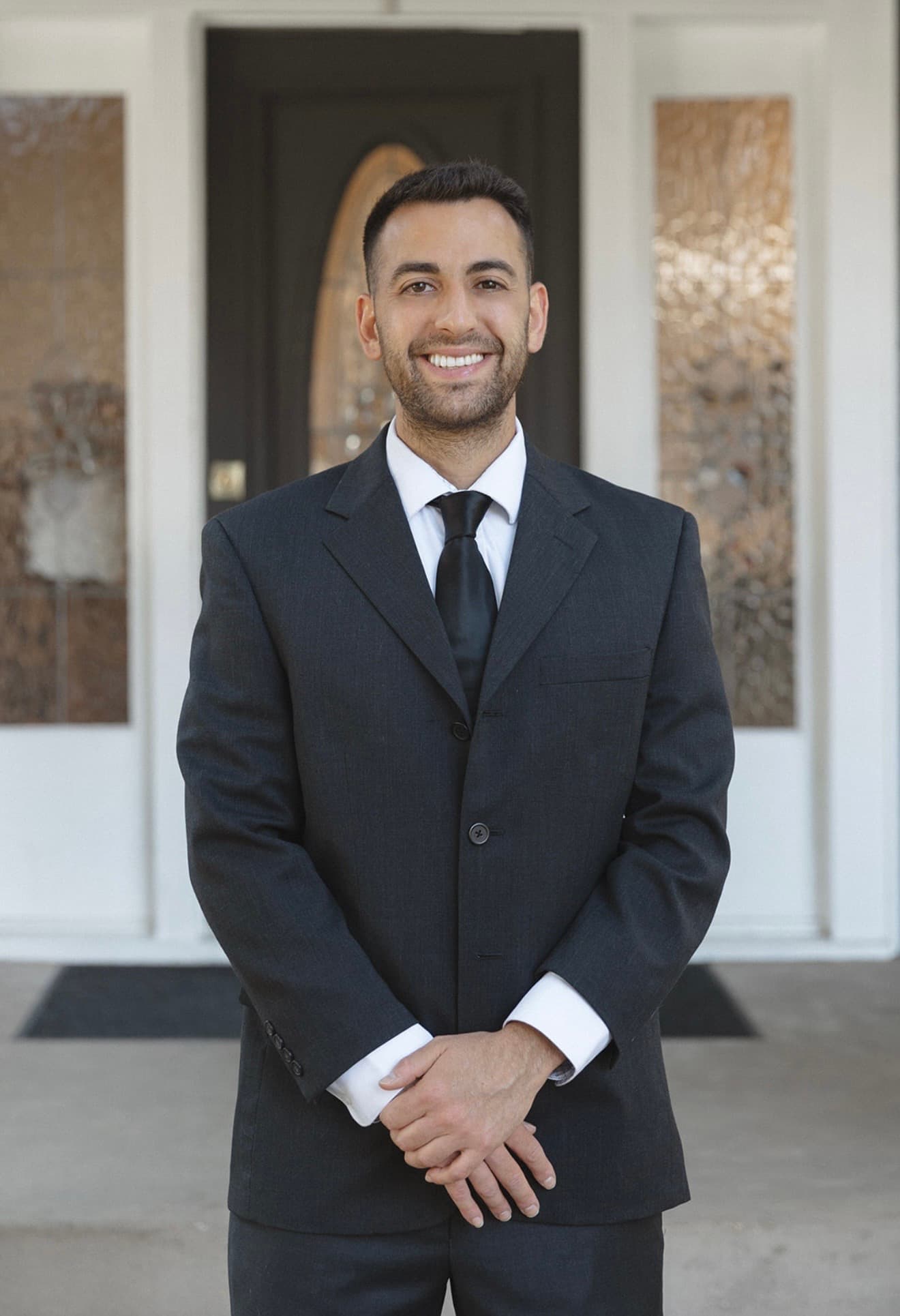
Founder & Managing Attorney, Atlas Immigration Law
Member of the American Immigration Lawyers Association (AILA) and the Dallas Bar Association. Licensed to practice in Texas; fluent in English and Spanish.
Legally reviewed by a licensed immigration attorney
Talk to an immigration attorney about your case
Free consultation on request, flat fees, and a dedicated paralegal who knows your case — serving clients in all 50 states.
This guide is general information, not legal advice, and reading it does not create an attorney-client relationship. Immigration law and procedures change, and how they apply depends on your specific facts — consult a licensed immigration attorney about your situation.