
A Spanish-speaking immigration lawyer removes the most dangerous variable in an immigration case: information lost in translation between you and the person defending your future. Immigration cases are built from personal facts — dates, relationships, hardships, history — and a client who cannot explain those facts precisely, or fully understand the advice coming back, is working at a serious disadvantage. Atlas Immigration Law serves clients in English and Spanish from its Dallas office, with flat fees and a free 20-minute consultation, handling family immigration and humanitarian cases for clients across Dallas–Fort Worth and all 50 states. This guide covers why language access changes outcomes, how interviews and immigration court actually handle language, and how to choose a firm — while avoiding the notario fraud that targets Spanish-speaking communities.
Key takeaways
Language access is a case-quality issue, not a convenience: your lawyer can only fix problems you can fully describe, and you can only follow legal strategy you fully understand. USCIS interviews and immigration court have their own language rules — some allow interpreters, some require English — so your preparation must match the setting. Choose a licensed attorney who serves you in your language; never a “notario,” who is not a lawyer in the United States no matter what the sign says.
Why language access changes case outcomes
Immigration cases are won on facts, and the facts live with the client. A family petition turns on the honest details of a relationship — see our marriage-based green card guide for how officers probe them; a hardship waiver turns on suffering a family must describe in depth; an asylum claim turns on events the applicant must recount consistently, sometimes across years of proceedings. When every conversation with counsel passes through a borrowed translator — a relative, a friend, a bilingual receptionist — nuance drops out, follow-up questions never get asked, and clients sign forms they only partly understand.
- Intake is where cases are won or lost. The disqualifying fact nobody mentioned — an old order, a prior filing, a border encounter — usually surfaces in a comfortable, fluent conversation, not a halting translated one.
- Consistency is everything. Officers and judges compare your forms, your interviews, and your testimony. Understanding exactly what was written on your behalf is how you keep the record consistent.
- Informed decisions require real understanding. Choosing between legal strategies — consular processing versus waiting, filing now versus fixing a problem first — demands advice you grasp completely, not a summary of a summary.
How interviews and immigration court handle language
USCIS interviews
Rules differ by case type. In most family-based green card interviews, applicants who are not comfortable in English may bring a qualified interpreter. The naturalization interview is the big exception: the English requirement means the interview and test are conducted in English, unless the applicant qualifies for an age- and residence-based exemption or a medical waiver. Preparing in the language of the actual interview — and rehearsing how interpretation works when one is allowed — is a concrete piece of case preparation, not an afterthought.
Immigration court
In removal proceedings before the Executive Office for Immigration Review, the court provides interpreters for hearings — Spanish interpretation is routine in Dallas immigration courts. But the court’s interpreter translates the hearing; they do not prepare you for it. Testimony rehearsal, declaration drafting, and the attorney–client strategy conversations all happen before the hearing, in whatever language the client and lawyer share. That preparation is precisely where being served in Spanish matters most.
Wondering where your case fits in these timelines?
Request a free consultation and get a straight answer on your category, your realistic timeline, and the flat fee — before you commit to anything.
The notario trap: who is actually allowed to help you
A “notario” is not a lawyer
In many Latin American countries, a *notario público* is a highly trained legal professional. In the United States, a notary public is not — they can witness signatures and nothing more. Businesses that advertise as *notarios* or “immigration consultants” to Spanish-speaking communities are not authorized to give legal advice, and botched filings by unqualified preparers have cost people their cases and, in some situations, exposed them to removal.
- Verify the license. A real immigration lawyer is licensed by a state bar — ask for the attorney’s name and bar number, and check it yourself online.
- Only two groups may represent you: licensed attorneys, and Department of Justice–accredited representatives at recognized nonprofit organizations. No one else.
- Warning signs: guarantees of approval, refusal to put fees in writing, forms filed without your review, and preparers who won’t put their own name on the filing.
- If you were harmed by a notario, a licensed attorney may be able to repair the damage — and the earlier the review, the more options survive.
How to choose a Spanish-speaking immigration firm in Dallas
Language is necessary but not sufficient — vet a bilingual firm the same way you would vet any firm. Confirm the attorney’s state bar license and look for membership in the American Immigration Lawyers Association (AILA). Read reviews for what they say about communication and responsiveness, not just outcomes. Ask how fees work and insist on a written quote: flat fees mean you know the cost before you commit. Ask who will actually handle your case and answer your questions — the attorney, or only staff. And confirm the firm can serve you fully in Spanish at the moments that matter: the consultation, the strategy conversations, and the preparation before interviews or hearings.
Costs and timeline
Whatever your case type, expect two kinds of costs: government filing fees, set by the agencies and listed on each form’s official USCIS page — for example, the I-130 family petition page — and attorney fees, set by the firm. Atlas uses a flat-fee model: one written quote for the engagement, in the language you are most comfortable reading, with no hourly billing for your calls and questions. Timelines depend entirely on the case type and the agency’s workload — a family petition, a waiver, and a court case run on completely different clocks — so check current processing times for your specific case rather than relying on any general figure.
How Atlas Immigration Law helps
Atlas serves clients in English and Spanish, from the first free 20-minute consultation through the last filing — so the facts that decide your case are gathered in the language you think in, and the strategy comes back to you in a form you fully understand. The firm handles family, humanitarian, green card, and citizenship matters for the Dallas–Fort Worth community and, because immigration law is federal, for clients in all 50 states.
The practice is led by Jordan Weinberg, founder and managing attorney, licensed in Texas and a member of AILA and the Dallas Bar Association. Clients get flat transparent fees quoted in writing, a dedicated paralegal with same-business-day responses, and the Atlas Vision client portal for questionnaires, document uploads, and real-time case tracking. The office is at 1920 McKinney Ave in Dallas — and the consultation that starts everything is free, 20 minutes, and available in Spanish.
Frequently asked questions
Does Atlas Immigration Law offer services in Spanish?
Yes. Atlas serves clients in English and Spanish, from the free 20-minute consultation through the case itself. The firm is based in Dallas at 1920 McKinney Ave and represents clients throughout DFW and in all 50 states.
Is a notario the same as an immigration lawyer?
No. In the United States, a notary public can only witness signatures — they are not lawyers and cannot legally give immigration advice, no matter how the business advertises. Only licensed attorneys and DOJ-accredited representatives at recognized organizations may represent you. Always verify a lawyer’s state bar license before hiring.
Do USCIS interviews provide a Spanish interpreter?
It depends on the interview. In most family-based green card interviews, you may bring a qualified interpreter if you are not comfortable in English. The naturalization interview is generally conducted in English because English is part of the test, unless you qualify for an age-based exemption or medical waiver. Your preparation should match the rules of your specific interview.
Does immigration court in Dallas provide interpreters?
Yes — the immigration courts, run by the Executive Office for Immigration Review, provide interpreters for hearings, and Spanish interpretation is routine. But the court interpreter only translates the hearing itself. All the preparation that determines how the hearing goes happens beforehand with your lawyer, which is where being served in your own language matters most.
How much does a Spanish-speaking immigration lawyer cost in Dallas?
It depends on the case type, not the language. At Atlas, fees are flat and quoted in writing after a free 20-minute consultation, so you know the full cost before committing. Government filing fees are separate and are listed on each form’s official USCIS page.
Can a Dallas lawyer handle my case if I live in another state or in Mexico?
Yes. Immigration law is federal, so a Texas-licensed immigration attorney can represent clients anywhere in the United States and clients abroad going through consular processing. Atlas works with clients remotely through the Atlas Vision portal, with consultations and case communication available in Spanish.
What should I bring to a consultation if my documents are in Spanish?
Bring them as they are — original-language documents are normal in immigration cases, and official filings that need translations use certified translations prepared for the government, not something you must arrange before a consultation. What matters most at the first meeting is the complete picture: identification, any immigration paperwork you have ever received, and honest answers about your history.
This guide is part of our Dallas immigration lawyer services — the service page covers eligibility, fees, and how we handle these cases.
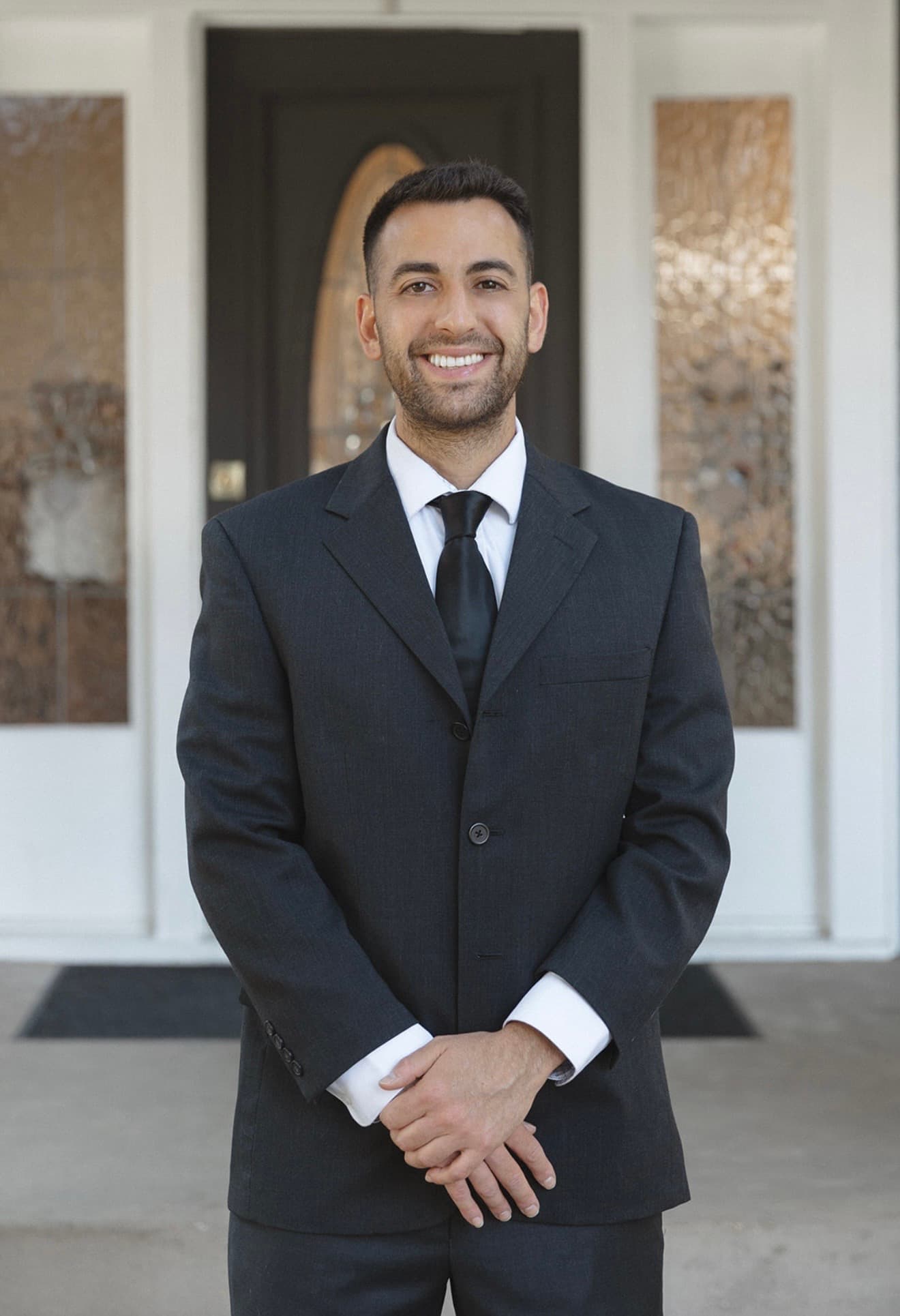
Founder & Managing Attorney, Atlas Immigration Law
Member of the American Immigration Lawyers Association (AILA) and the Dallas Bar Association. Licensed to practice in Texas; fluent in English and Spanish.
Legally reviewed by a licensed immigration attorney
Talk to an immigration attorney about your case
Free consultation on request, flat fees, and a dedicated paralegal who knows your case — serving clients in all 50 states.
This guide is general information, not legal advice, and reading it does not create an attorney-client relationship. Immigration law and procedures change, and how they apply depends on your specific facts — consult a licensed immigration attorney about your situation.