
A K-1 fiancé visa lawyer guides a U.S. citizen and their foreign fiancé through the full arc of the case: the Form I-129F petition to USCIS, the consular interview abroad, entry to the United States, the marriage within 90 days, and then the adjustment of status that actually produces the green card. Couples hire one because the K-1 is a relationship case judged on paper — evidence of a genuine engagement, an in-person meeting within the past two years, and legal freedom to marry — and because mistakes at any stage cascade into the next. Atlas Immigration Law handles K-1 fiancé visa cases from its Dallas office for couples across all 50 states and abroad, on flat fees, with a free 20-minute consultation to map your specific case.
Key takeaways
The K-1 is a three-stage process: USCIS petition → embassy interview → marriage and green card application inside the U.S. Only U.S. citizens can sponsor a fiancé, the couple generally must have met in person within the last two years, and the marriage must happen within 90 days of entry. The visa itself is not permanent residence — budgeting time and fees for the adjustment-of-status stage from day one is what separates smooth cases from stressful ones.
Who qualifies for a K-1 visa
- The sponsor must be a U.S. citizen. Green card holders cannot file a K-1 — a permanent resident’s path is marriage first, then a spouse petition.
- Both partners must be legally free to marry — any prior marriages ended by divorce, annulment, or death, with the paperwork to prove it.
- You must generally have met in person within the two years before filing. Video calls do not count. Narrow waivers exist where meeting would violate strict cultural or religious practice or cause extreme hardship, but they are genuinely hard to win.
- You must both intend to marry within 90 days of the fiancé’s entry — and the evidence should show a real wedding intention, not just a visa plan.
- The relationship must be genuine. Officers at USCIS and the consulate both probe for this; thin or inconsistent evidence is the leading cause of trouble.
The full evidentiary checklist — and how officers actually weigh it — is covered in our guide to K-1 fiancé visa requirements.
The K-1 process, stage by stage
| Stage | What happens |
|---|---|
| 1. I-129F petition | The U.S. citizen files the petition with proof of the relationship, the in-person meeting, and intent to marry. USCIS adjudicates it. |
| 2. NVC transfer | The approved petition moves to the National Visa Center, which forwards it to the embassy or consulate serving the fiancé’s country. |
| 3. Visa application and medical exam | The fiancé files the online visa application, gathers police and civil documents, and completes the medical exam with a panel physician. |
| 4. Consular interview | A consular officer interviews the fiancé about the relationship and the couple’s plans, then issues or refuses the K-1. |
| 5. Entry and marriage | The fiancé enters the U.S. on the K-1 and the couple marries within 90 days — the visa cannot be extended and does not allow a change of plans. |
| 6. Adjustment of status | After the marriage, the new spouse files Form I-485 to become a permanent resident, with work and travel permission available while it is pending. |
Two design features of the K-1 surprise couples most. First, the 90-day clock is rigid: if the marriage doesn’t happen, the fiancé must leave — the K-1 cannot be converted to anything else, and marrying someone other than the petitioner does not fix it. Second, the green card is a separate case with its own forms, fees, evidence, and interview. Treating stage six as an afterthought is the classic K-1 mistake.
Wondering where your case fits in these timelines?
Request a free consultation and get a straight answer on your category, your realistic timeline, and the flat fee — before you commit to anything.
Where K-1 cases run into trouble
Weak relationship evidence sinks more K-1 cases than any legal technicality. The file should tell a verifiable story: travel records and photos of the in-person meeting, communication history over time, and consistent answers about how the relationship developed. Officers compare the petition, the visa application, and the interview against each other — discrepancies in dates or details invite refusal.
IMBRA disclosures are a second trap. The International Marriage Broker Regulation Act requires the U.S. citizen to disclose certain criminal history and prior K-1 filings; sponsors who have filed multiple fiancé petitions may need a waiver. These rules are unforgiving of omissions — disclosure handled correctly up front is far better than an explanation demanded later. Finally, the fiancé’s own history — visa refusals, overstays, or criminal records — can raise inadmissibility grounds that need analysis, and sometimes a waiver, before the interview rather than after a refusal.
K-1 or marry abroad? Choosing the right path
Every engaged couple has a fork in the road: use the K-1, or marry first — abroad or during a lawful U.S. visit — and pursue a marriage-based case. The K-1 usually gets the couple physically together sooner, but the total road to a green card is longer and costs more, because adjustment of status is a second full case. Marrying abroad and consular-processing the spouse visa means more time apart up front, but the spouse typically arrives as a permanent resident with work authorization from day one. The right answer depends on the couple’s countries, timelines, and risk factors — it is exactly the modeling a family immigration attorney should do at the first consultation, and our marriage-based green card guide covers the other fork in detail.
Costs and timeline
A K-1 case carries government fees at each stage: the USCIS filing fee for the I-129F petition, the State Department’s visa application fee, the medical exam, and later the filing fees for the I-485 adjustment package. Current amounts are listed on those official USCIS pages — they change periodically, so verify before filing. Attorney fees are separate; Atlas quotes a flat fee in writing so couples know the full cost of representation before the case starts, with no hourly surprises across the three stages.
Timelines vary with USCIS workload and the specific embassy — some posts interview quickly, others carry long backlogs — and the adjustment stage adds its own wait after the wedding. Plan against current processing times rather than any fixed promise, and build the wedding and work plans around ranges.
How Atlas Immigration Law helps
Atlas runs K-1 cases as one continuous engagement rather than three disconnected filings: the relationship evidence is built once, to a standard that serves the petition, the consular interview, and the later green card interview; IMBRA and inadmissibility screening happens before anything is filed; and the adjustment package is ready to move as soon as the couple marries.
- Flat, transparent fees — quoted up front for the stages you engage us for, in writing.
- A dedicated paralegal and same-business-day responses — you work with someone who knows your case, not a case-status hotline.
- Atlas Vision client portal — questionnaires, document uploads, and real-time case tracking through every stage, wherever your fiancé is in the world.
- Free 20-minute consultation — a real strategy conversation about K-1 versus marrying first, from the Dallas office at 1920 McKinney Ave, serving couples in all 50 states, in English and Spanish.
The practice is led by Jordan Weinberg, founder and managing attorney, licensed in Texas and a member of AILA and the Dallas Bar Association.
Frequently asked questions
How long does the K-1 fiancé visa take?
The petition stage at USCIS commonly takes many months, followed by the embassy stage, which varies significantly by country. After entry and marriage, the green card application is its own additional wait. Because these figures shift with agency workload, check current processing times rather than relying on a fixed number.
How much does a K-1 visa lawyer cost in Dallas?
Attorney fees vary by firm and by how many stages of the case are covered — petition only, or petition through the green card. Atlas Immigration Law uses flat fees quoted in writing after a free 20-minute consultation, so you know the full cost before committing. Government filing fees are separate and are listed on the official USCIS pages for each form.
Can a green card holder file a K-1 petition?
No. Only U.S. citizens can sponsor a fiancé on a K-1. A lawful permanent resident’s path is to marry first and then file a spouse petition, which involves a wait for visa availability. If the sponsor naturalizes, additional options open up — timing that decision is worth a consultation.
What happens if we don’t marry within 90 days?
The K-1 expires and cannot be extended or converted; the fiancé is expected to depart the U.S. Marrying the petitioner after day 90 can sometimes be repaired through the marriage-based process, but it creates complications — and marrying someone other than the petitioner does not lead to a green card through the K-1 at all. Treat the 90 days as a hard deadline.
Can my fiancé work after entering on a K-1?
Not immediately in most cases. Work authorization tied to the K-1 itself is short-lived and rarely practical; realistically, employment authorization comes with the adjustment-of-status application filed after the marriage. Couples should budget for some months without the new spouse working.
Do we really have to have met in person?
Yes — within the two years before filing the petition, and the file needs proof: passport stamps, boarding passes, photos together, hotel records. The only exceptions are narrow waivers for strict cultural or religious practices or extreme hardship, and they are difficult to win. An online-only relationship must include a visit before filing.
Does my fiancé get a green card automatically after we marry?
No. The marriage satisfies the K-1’s condition, but permanent residence requires filing Form I-485 with its own evidence, fees, and usually an interview. Until it is approved, your spouse’s status flows from the pending application — which is why filing promptly after the wedding matters.
This guide is part of our family immigration services — the service page covers eligibility, fees, and how we handle these cases.
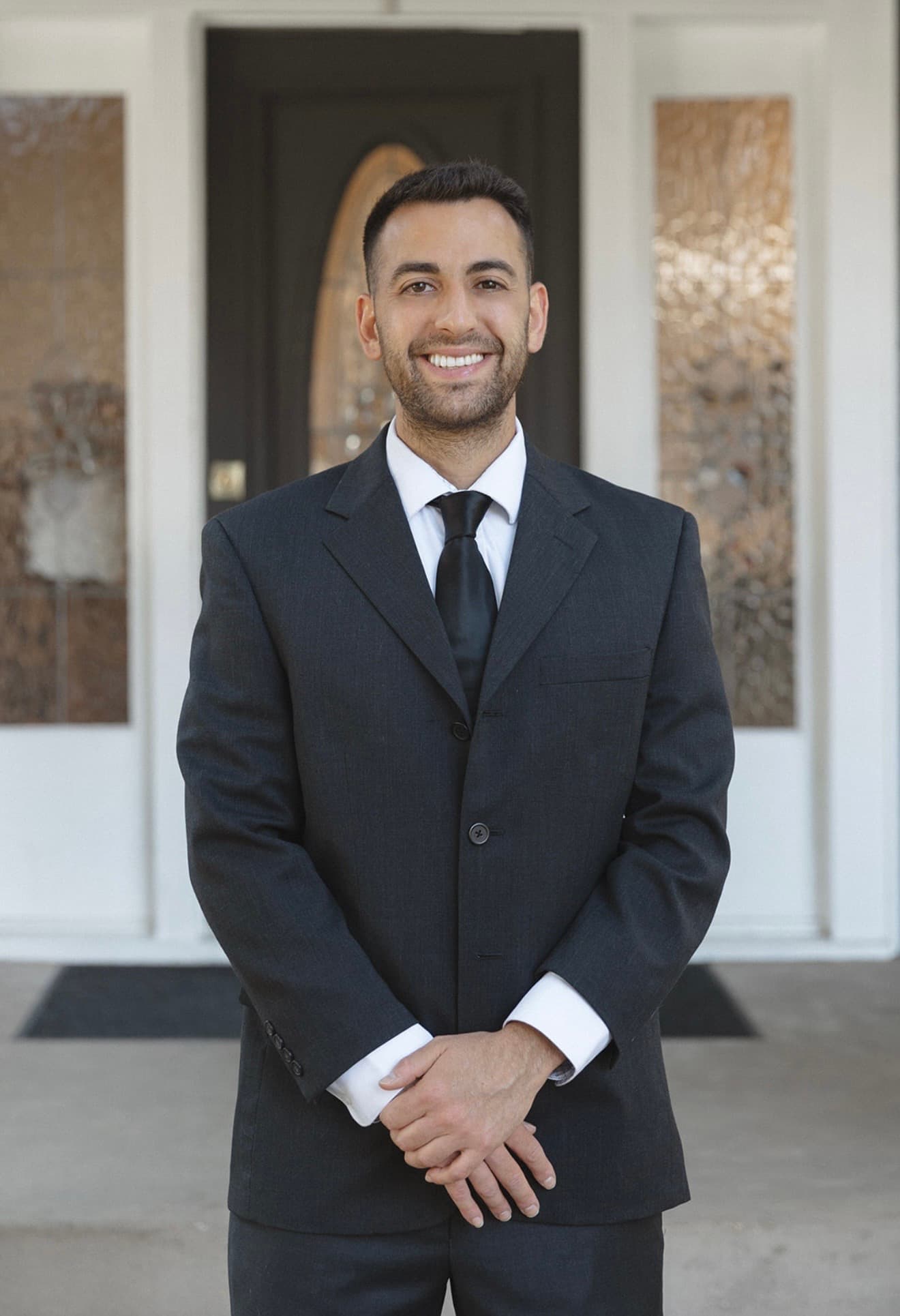
Founder & Managing Attorney, Atlas Immigration Law
Member of the American Immigration Lawyers Association (AILA) and the Dallas Bar Association. Licensed to practice in Texas; fluent in English and Spanish.
Legally reviewed by a licensed immigration attorney
Talk to an immigration attorney about your case
Free consultation on request, flat fees, and a dedicated paralegal who knows your case — serving clients in all 50 states.
This guide is general information, not legal advice, and reading it does not create an attorney-client relationship. Immigration law and procedures change, and how they apply depends on your specific facts — consult a licensed immigration attorney about your situation.