A VAWA lawyer helps survivors of abuse by a U.S. citizen or lawful permanent resident spouse, parent, or adult child file a self-petition under the Violence Against Women Act — an immigration case built entirely on the survivor’s own evidence, with no signature, sponsorship, or knowledge required from the abuser. Despite the name, VAWA protects people of every gender. The petition is Form I-360, and federal law keeps the entire case confidential. Anyone in this situation — married to, divorced from, or the child or parent of an abusive citizen or resident — may have a path to a work permit and a green card that does not depend on the abuser. Atlas Immigration Law handles VAWA self-petitions from our Dallas office for clients in all 50 states, with flat fees and a free, confidential 20-minute consultation in English or Spanish.
Key takeaways
VAWA lets abused spouses, children, and parents of U.S. citizens or permanent residents self-petition for immigration status on Form I-360 — no police report is required, the abuser is never notified, and federal confidentiality law bars USCIS from acting on information the abuser provides. An approved self-petition can lead to work authorization and a green card. Filing is free of a government fee, and consultations about it are confidential.
What the VAWA self-petition actually is
Family-based immigration normally runs on the sponsor’s cooperation: the citizen or resident relative files the petition, attends the interview, and can withdraw at any moment. When that relative is abusive, the immigration case itself becomes a tool of control — “behave, or I’ll cancel your papers.” Congress built the VAWA self-petition to remove exactly that leverage. The survivor files Form I-360 alone, proves the relationship and the abuse with their own evidence, and USCIS decides the case without ever contacting the abuser.
Two points surprise almost everyone. First, VAWA is gender-neutral — men, women, and children all qualify on the same terms. Second, “abuse” for VAWA purposes means battery or extreme cruelty, and extreme cruelty does not require physical violence: threats of deportation, isolation, economic control, degradation, and psychological abuse can qualify. USCIS explains the program on its page for abused spouses, children, and parents.
Who qualifies
- Spouses of an abusive U.S. citizen or lawful permanent resident — including a spouse whose child was abused by that citizen or resident. The marriage must have been entered in good faith, and certain filings remain possible for up to two years after a divorce connected to the abuse, or after the abuser loses status because of a domestic-violence incident.
- Children abused by a U.S. citizen or permanent resident parent, generally filing before age 21 (with a limited extension to 25 when the abuse was a central reason for the delay).
- Parents abused by their own U.S. citizen son or daughter age 21 or older.
- Every self-petitioner must also show they lived with the abuser at some point and that they are a person of good moral character — an area where old arrests or immigration history deserve careful legal review before filing, not after.
How the confidentiality protections work
Federal law — 8 U.S.C. § 1367 — makes VAWA one of the most protected case types in the immigration system. USCIS employees are prohibited from disclosing the existence of the case to the abuser or anyone else, and are barred from making an adverse decision based on information supplied by the abuser. The abuser receives no notice, no interview, and no opportunity to object. Self-petitioners can use a safe mailing address — a trusted friend, a P.O. box, or their attorney’s office — so nothing about the case ever arrives at a shared home.
Your consultation is confidential too
Everything discussed with an attorney is protected by privilege before a case is ever filed. If it is not safe to talk at home, consultations can happen by phone or video at a time and place the survivor chooses. If you are in immediate danger, call 911; the National Domestic Violence Hotline (1-800-799-7233) operates confidentially around the clock.
The self-petition process, step by step
| Stage | What happens |
|---|---|
| 1. Confidential consultation | Eligibility review, safety planning around mail and communication, and an honest map of the options — VAWA is not always the only or best path. |
| 2. Evidence gathering | Proof of the relationship, the abuser’s status, shared residence, good moral character, and the abuse itself — built from the survivor’s own records and declaration. |
| 3. Form I-360 filing | The self-petition goes to USCIS with the full supporting package. There is no government filing fee for the I-360 as a VAWA self-petitioner. |
| 4. Prima facie determination | USCIS often issues an early notice that the case appears facially valid, which can unlock access to certain public benefits. |
| 5. Approval | An approved self-petitioner may be placed in deferred action and can apply for a work permit. |
| 6. Green card | Spouses and children of citizens (and abused parents of citizens) can generally file for adjustment as immediate relatives; those abused by permanent residents wait for a visa number in the family preference line. |
Wondering where your case fits in these timelines?
Request a free consultation and get a straight answer on your category, your realistic timeline, and the flat fee — before you commit to anything.
Building the evidence — without a police report
VAWA cases are decided under an “any credible evidence” standard. No police report, protective order, or criminal conviction is required — many survivors never called the police, and USCIS knows it. What carries a case is a well-organized record: the survivor’s own detailed declaration, told in their voice; statements from friends, family, clergy, or coworkers who saw the relationship; medical or counseling records; photographs; texts and emails; and documents showing the shared life — leases, bills, joint accounts, children’s records.
The declaration deserves the most care. It must establish every legal element — the marriage or relationship, the good faith behind it, the shared residence, the abuse, the good moral character — while remaining the survivor’s true account. A thoughtful attorney structures that work in short, trauma-aware sessions rather than forcing anyone to relive everything at once, and never files a story the survivor has not read and owned.
Common complications worth flagging early
- Divorce already final. Filing may still be possible within two years when the divorce is connected to the abuse — timing matters, so this deserves review immediately.
- The abuser filed an I-130 that was withdrawn. A prior petition’s priority date can sometimes be preserved for the self-petition — a detail that can save years for those in the preference categories.
- Old immigration or criminal history. Entries without inspection, prior removal issues, or arrests do not automatically end a VAWA case, and VAWA-based adjustment has some special flexibility — but every item must be analyzed before filing, and some situations pair the self-petition with a waiver strategy handled by our humanitarian practice.
- Removal proceedings. VAWA relief can exist inside immigration court too, including a special form of cancellation of removal — court cases need coordinated strategy, not a standalone filing.
Costs and timeline
The government side is unusually gentle here: USCIS charges no filing fee for a VAWA-based I-360, and fee waivers are available for many of the related applications, such as adjustment of status. The other cost is attorney fees. Atlas works on flat fees quoted up front — one number for a defined scope, agreed before any work begins, so a survivor rebuilding financially never faces an open-ended hourly bill.
Timelines vary widely with USCIS workloads, and I-360 adjudication is measured in years rather than months at recent volumes — with the work-permit and green-card stages layered on top. Rather than quote a number that will be stale in a season, we track current processing times and set expectations case by case. What matters most is that the survivor’s position generally strengthens, not weakens, while the case waits: the safe address holds, the record is filed, and the abuser has no lever left.
How Atlas Immigration Law helps
VAWA cases are won on preparation and lost on avoidable mistakes — a declaration missing a legal element, a good-moral-character issue discovered by USCIS instead of disclosed and framed by counsel, mail sent to the wrong address. Jordan Weinberg, our founder and managing attorney, is licensed in Texas and a member of AILA and the Dallas Bar Association, and builds these cases with the safety logistics designed in from the first call.
- Free, confidential 20-minute consultation — by phone or video if that is safer, in English or Spanish.
- Flat, transparent fees agreed before work begins; no hourly surprises.
- A dedicated paralegal with same-business-day responses — urgent questions in a VAWA case rarely feel optional.
- Atlas Vision client portal for secure document uploads and real-time case tracking, so nothing sensitive travels by household mail.
- Dallas office (1920 McKinney Ave), serving all 50 states — VAWA is federal law, so we represent survivors nationwide.
Frequently asked questions
Can men file a VAWA self-petition?
Yes. Despite the statute’s name, VAWA is gender-neutral. Abused husbands, sons, and fathers qualify on exactly the same terms as abused wives, daughters, and mothers, and USCIS adjudicates their petitions under the same standards.
Will my abuser find out I filed?
No. Federal confidentiality law (8 U.S.C. § 1367) prohibits USCIS from telling the abuser the case exists, and USCIS cannot deny the petition based on information the abuser supplies. You can also use a safe mailing address — such as your attorney’s office — so no case mail ever reaches a shared home.
Do I need a police report or protective order to qualify for VAWA?
No. VAWA cases are decided under an “any credible evidence” standard. Your own detailed declaration, statements from people who knew the relationship, counseling or medical records, and messages can prove abuse. Police involvement helps when it exists, but its absence does not disqualify you.
Can I file for VAWA if I am already divorced?
Often yes. A self-petition can generally still be filed within two years of a divorce that is connected to the abuse. Because that window is strict, anyone recently divorced from an abusive citizen or resident spouse should have eligibility reviewed right away.
Does VAWA give me a work permit?
An approved self-petitioner can apply for employment authorization, and those with an approved I-360 are typically placed in deferred action. Survivors who are eligible to file adjustment of status together with or after the I-360 can also seek a work permit through that application.
What if my abuser is a green card holder rather than a U.S. citizen?
You can still self-petition. The difference comes later: spouses and children of citizens are immediate relatives and can generally seek a green card as soon as the case allows, while those abused by permanent residents wait for a visa number in the family preference categories before the final step.
How much does a VAWA lawyer cost in Dallas?
USCIS charges no filing fee for the VAWA I-360 itself, and fee waivers exist for many related forms. Attorney fees vary by firm; Atlas Immigration Law uses flat fees quoted in a free, confidential 20-minute consultation, so you know the full cost before deciding anything.
This guide is part of our humanitarian immigration services — the service page covers eligibility, fees, and how we handle these cases.
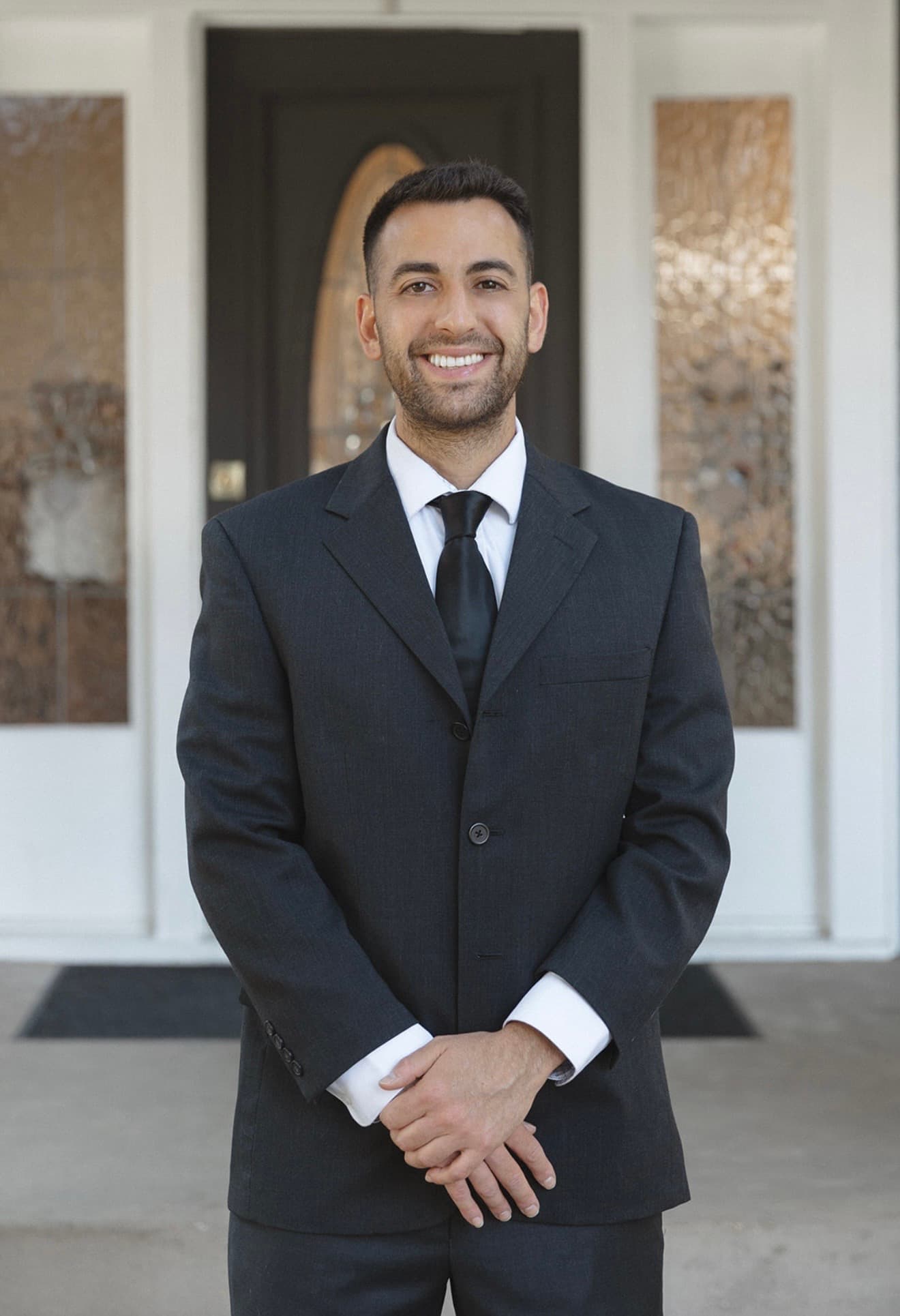
Founder & Managing Attorney, Atlas Immigration Law
Member of the American Immigration Lawyers Association (AILA) and the Dallas Bar Association. Licensed to practice in Texas; fluent in English and Spanish.
Legally reviewed by a licensed immigration attorney
Talk to an immigration attorney about your case
Free consultation on request, flat fees, and a dedicated paralegal who knows your case — serving clients in all 50 states.
This guide is general information, not legal advice, and reading it does not create an attorney-client relationship. Immigration law and procedures change, and how they apply depends on your specific facts — consult a licensed immigration attorney about your situation.