
A U visa lawyer helps victims of serious crimes — domestic violence, felonious assault, sexual assault, and other qualifying offenses — obtain immigration status based on the harm they suffered and their helpfulness to law enforcement. The case is filed on Form I-918 with a law-enforcement certification, and it is open to people regardless of current immigration status, including those who entered without inspection or overstayed. An approved case brings work authorization, protection from removal, status for close family members, and a path to a green card. Atlas Immigration Law handles U visa cases from our Dallas office for clients in all 50 states, with flat fees and a free, confidential 20-minute consultation in English or Spanish — because the people this visa protects often have the most reason to fear making the first call.
Key takeaways
The U visa is for victims of qualifying crimes who suffered substantial physical or mental harm and who are, were, or are willing to be helpful to police or prosecutors. It requires a signed law-enforcement certification (Supplement B), has no government filing fee for the petition itself, and — because annual grants are capped — involves a long wait during which USCIS can grant work permits and protection through its bona fide determination process. After three years in U status, most recipients can apply for a green card.
What the U visa is — and why it exists
Congress created the U visa so that crimes against immigrants would not go unreported and unprosecuted because victims feared deportation more than they trusted the police. The bargain is straightforward: a victim who suffered substantial physical or mental abuse from a qualifying crime and who helps law enforcement investigate or prosecute it can receive four years of lawful status, a work permit, and eventually permanent residence. USCIS describes the program on its page for victims of human trafficking and other crimes.
The list of qualifying crimes is set by statute and includes domestic violence, sexual assault, felonious assault, kidnapping, extortion, witness tampering, obstruction of justice, involuntary servitude, and related offenses — along with attempts and conspiracy. Whether a specific police report fits a qualifying category is a legal question worth real analysis: the same incident can often be framed under more than one offense, and the framing can decide the case. Victims of human trafficking specifically should also be screened for the T visa, which has its own — often faster — track.
Who qualifies
- Victim of a qualifying crime that occurred in the United States or violated U.S. law.
- Substantial physical or mental abuse as a result — mental and emotional harm counts, documented through medical or counseling records and the victim’s own declaration.
- Helpfulness: the victim has been, is being, or is likely to be helpful to police, prosecutors, or a judge in the investigation or prosecution. Reporting the crime and answering investigators’ questions is usually the core of it; children under 16 and people unable to participate can meet this through a parent, guardian, or next friend.
- Information about the crime — the victim must possess knowledge of the offense.
- Admissibility or a waiver. Immigration violations, unlawful entries, and many other problems can be forgiven through the U visa’s unusually broad waiver (Form I-192) — one of the most forgiving in immigration law, but one that must be requested and argued, not assumed.
The law-enforcement certification (Supplement B)
Every I-918 petition must include Supplement B, a certification signed by a law-enforcement agency — police, sheriff, district attorney, judge, or certain other agencies — confirming the victim’s helpfulness. This is often the hardest and most local part of the case. Agencies are never required to sign, each has its own process and habits, and certifications typically carry a filing window after signature. An attorney who regularly requests certifications knows how to package the request — the report, the offense analysis, the victim’s cooperation history — so the certifying officer can say yes easily, and knows what to do when the first answer is silence.
Confidentiality protections apply here too
U visa cases are covered by the same federal confidentiality statute that protects VAWA filings: USCIS may not disclose the case, and perpetrators have no role in it. Consultations are privileged and can happen by phone or video. Survivors of abuse by a spouse or parent with status should also ask about the VAWA self-petition, which can sometimes run alongside or instead of a U visa.
The U visa process, step by step
| Stage | What happens |
|---|---|
| 1. Confidential consultation | Screening the incident against the qualifying-crime list, mapping helpfulness and harm, and checking for parallel options such as VAWA or the T visa. |
| 2. Certification request | The Supplement B package goes to the right certifying agency with the evidence organized for an easy signature. |
| 3. I-918 filing | The petition, personal declaration, harm evidence, and any I-192 waiver are filed with USCIS. Qualifying family members file on Supplement A. |
| 4. Bona fide determination | For many waiting petitioners, USCIS can issue a work permit and deferred action while the case sits in the capped queue. |
| 5. Approval and U status | When a visa number is available, U status is granted, generally for four years. |
| 6. Green card | After three years of continuous presence in U status and continued cooperation, most recipients can apply for permanent residence. |
Wondering where your case fits in these timelines?
Request a free consultation and get a straight answer on your category, your realistic timeline, and the flat fee — before you commit to anything.
The cap, the waitlist, and why the wait is survivable
Congress capped principal U visa grants at 10,000 per year, and demand has exceeded that for many years — so the honest picture includes a long queue. What makes the wait survivable is what happens during it. USCIS reviews pending petitions under its bona fide determination process and can grant employment authorization and deferred action to petitioners (and derivative family members) whose filings are complete and who clear background checks. In practice, a well-prepared filing is not just about eventual approval; it is about reaching that protected-while-waiting posture as smoothly as possible.
Family comes along too: a petitioner 21 or older can include a spouse and unmarried children under 21; a petitioner under 21 can also include parents and unmarried siblings under 18. Getting derivatives filed correctly at the start matters, because children’s ages and family circumstances change while the queue moves.
Common problems a lawyer solves
- The agency won’t certify. Sometimes the fix is a better-documented request; sometimes it is a different certifier — a prosecutor instead of the police department, or a judge. Persistence with the right packaging changes outcomes.
- The crime seems “too old.” There is no statutory deadline to file a U petition, and older cases can still be certified — though agency practices on old cases vary and shape strategy.
- Immigration history. Prior removals, unlawful entries, and misrepresentation do not automatically bar the case, but each must be disclosed and waived deliberately through the I-192.
- Removal proceedings. A pending or even completed removal case changes the sequencing — coordination between the court case and the U petition is essential, and our humanitarian practice handles both sides of that.
Costs and timeline
The government side is lighter than most case types: USCIS charges no filing fee for the I-918 petition itself, and fee waivers are available for associated forms such as the I-192 waiver. The remaining cost is attorney fees. Atlas quotes a flat fee up front for a defined scope — certification request, petition, waiver, derivatives — so there is one known number instead of an hourly meter running through a multi-year case.
On timing, honesty beats optimism: because of the annual cap, U visa cases are measured in years, with the bona fide determination stage as the meaningful early milestone. Processing speeds shift with USCIS workloads, so check current processing times rather than relying on any fixed figure — and treat every year in the queue as time the case file should be kept current, not forgotten.
How Atlas Immigration Law helps
Jordan Weinberg, our founder and managing attorney, is licensed in Texas and a member of AILA and the Dallas Bar Association. U visa work rewards exactly the habits our practice is built on: meticulous certification packages, declarations written with trauma-aware care, and waivers argued rather than hoped for.
- Free, confidential 20-minute consultation — in English or Spanish, by phone or video if that is safer.
- Flat, transparent fees agreed before any work begins.
- A dedicated paralegal and same-business-day responses — certification windows and court dates do not wait.
- Atlas Vision client portal for secure uploads and real-time tracking through the long U visa queue.
- Dallas office at 1920 McKinney Ave, serving clients in all 50 states — the U visa is federal, and so is our practice.
Frequently asked questions
Can I apply for a U visa if I am undocumented?
Yes. The U visa was designed for victims regardless of immigration status, including people who entered without inspection or overstayed a visa. Most status problems can be forgiven through the U visa’s broad I-192 waiver, which your attorney requests and argues as part of the case.
What crimes qualify for a U visa?
The statutory list includes domestic violence, sexual assault, felonious assault, kidnapping, extortion, stalking, witness tampering, obstruction of justice, involuntary servitude, and related offenses, plus attempts and conspiracy. Whether your specific incident fits — and under which offense — is a legal question worth having a lawyer analyze against the police report.
Do I have to testify in court to get a U visa?
Not necessarily. The requirement is helpfulness to the investigation or prosecution — reporting the crime, answering investigators’ questions, and staying reachable usually satisfies it. Many certified cases never go to trial at all. What matters is that you have not refused reasonable requests for cooperation.
How long does the U visa process take?
Years, candidly — Congress caps principal grants at 10,000 per year and demand exceeds that. The meaningful early milestone is the bona fide determination, through which USCIS can grant a work permit and deferred action while you wait. Timelines shift with workloads, so check current processing times rather than fixed estimates.
Does the U visa lead to a green card?
Generally yes. After three years of continuous physical presence in U status — and continued cooperation with any ongoing investigation — most U visa holders can apply for adjustment of status to permanent residence, and qualifying family members may be able to adjust as well.
Can my family be included in my U visa case?
Yes. Petitioners 21 or older can include a spouse and unmarried children under 21. Petitioners under 21 can also include their parents and unmarried siblings under 18. Family members file on Supplement A and can benefit from work authorization during the wait as well.
How much does a U visa lawyer cost in Dallas?
USCIS charges no filing fee for the I-918 petition itself, and fee waivers exist for related forms. Attorney fees vary by firm and scope; Atlas Immigration Law quotes a flat fee up front after a free, confidential 20-minute consultation, so you know the complete cost before committing.
This guide is part of our humanitarian immigration services — the service page covers eligibility, fees, and how we handle these cases.
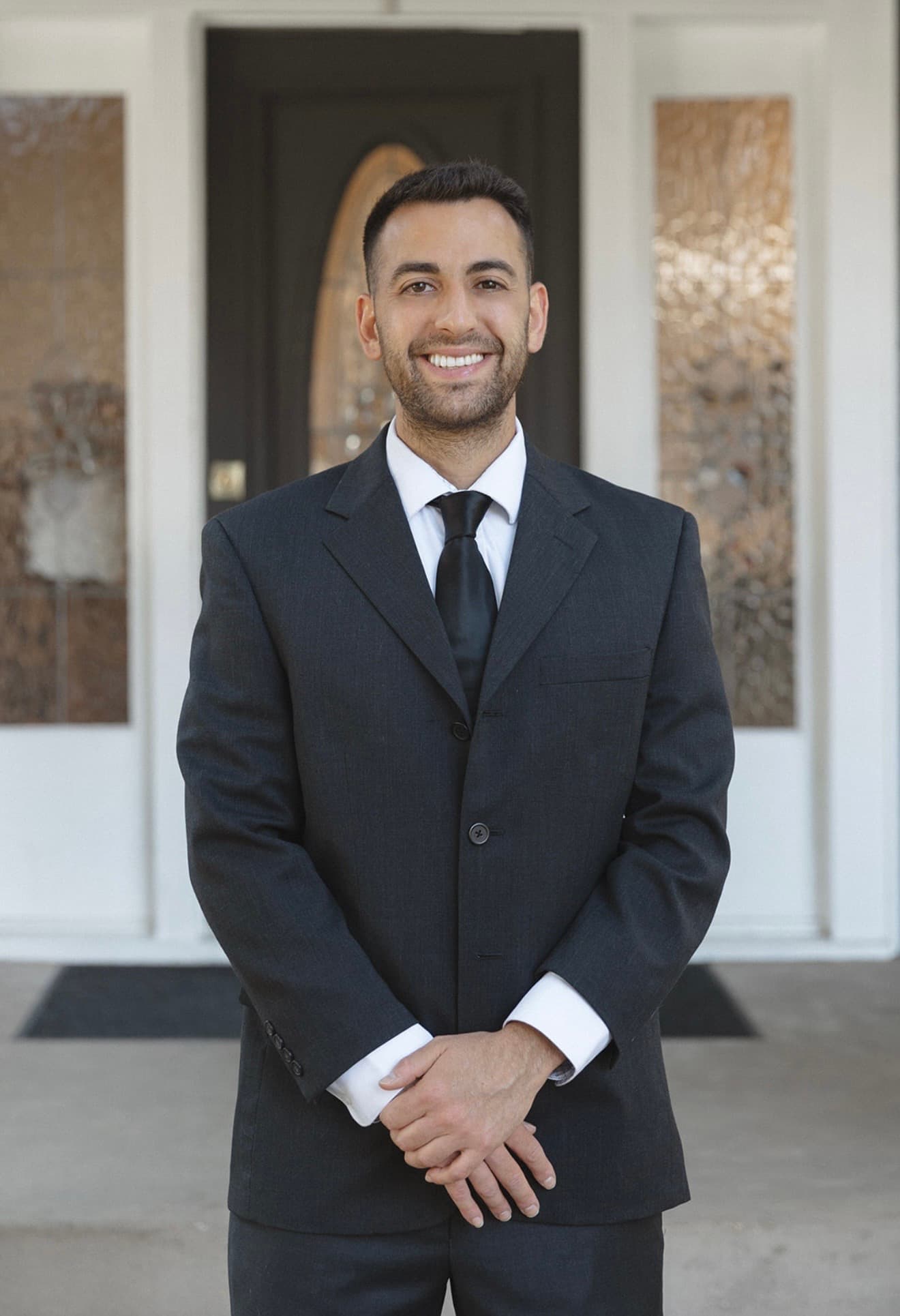
Founder & Managing Attorney, Atlas Immigration Law
Member of the American Immigration Lawyers Association (AILA) and the Dallas Bar Association. Licensed to practice in Texas; fluent in English and Spanish.
Legally reviewed by a licensed immigration attorney
Talk to an immigration attorney about your case
Free consultation on request, flat fees, and a dedicated paralegal who knows your case — serving clients in all 50 states.
This guide is general information, not legal advice, and reading it does not create an attorney-client relationship. Immigration law and procedures change, and how they apply depends on your specific facts — consult a licensed immigration attorney about your situation.